

Kyoto is often described as a city where the past still breathes. While many travelers rush toward famous temples and busy landmarks, the real character of the city often hides in its quieter corners. One such place is Pontocho Park, a peaceful riverside area that gently introduces visitors to one of Kyoto’s most historic districts. Located along the Kamogawa River, this area offers a calm escape where you can slow down, observe daily life, and feel the rhythm of old Kyoto without feeling overwhelmed.
Just steps away from the park lies Pontocho Alley Kyoto, a narrow street known for its traditional wooden buildings, lantern-lit evenings, and rich cultural history. For travelers who want a deeper understanding of this area—beyond surface-level sightseeing—pontocho.org serves as a valuable guide. The site provides detailed insights into the alley’s background, dining culture, seasonal events, and walking experiences, helping visitors explore with confidence and respect.
What Makes Pontocho So Special?
Pontocho is not a large area, but its atmosphere is unique. The alley runs parallel to the Kamogawa River and has existed for centuries as a place of dining, entertainment, and traditional arts. Unlike modern shopping streets, Pontocho has preserved its narrow layout and wooden facades. This preservation is not accidental—it reflects Kyoto’s deep respect for heritage.
Walking through the alley feels different depending on the time of day. During daylight hours, it is calm and understated. In the evening, soft lights glow from restaurants, and the street becomes more lively yet still refined. This balance between quiet elegance and subtle activity is what attracts visitors who want something authentic rather than flashy.
The Role of Pontocho Park in the Experience
Pontocho Park plays an important role in shaping the experience of the area. It offers open space along the river where people can relax, enjoy the breeze, or simply sit and watch the water flow. In warmer months, the riverbanks become a favorite spot for locals and tourists alike.
The park also provides a natural transition into the alley itself. Instead of stepping directly from a busy street into a historic lane, visitors can pause, adjust their pace, and enter Pontocho with a calmer mindset. This makes the overall experience more meaningful and less rushed.
Dining Culture: More Than Just Food
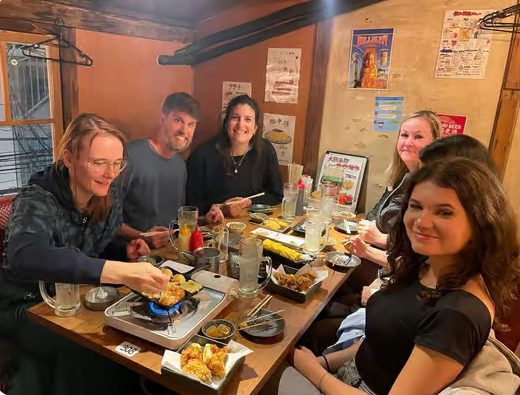
One of the most talked-about aspects of Pontocho is its dining scene. Restaurants here range from small traditional eateries to refined multi-course dining spaces. However, eating in Pontocho is not just about the food—it is about timing, etiquette, and atmosphere.
Many establishments have long histories and operate with quiet professionalism. Reservations are often required, and behavior is expected to be respectful. Guides available on pontocho.org explain these details clearly, which is especially helpful for first-time visitors unfamiliar with Kyoto’s dining customs.
Cultural Sensitivity and Local Etiquette
Pontocho is not a theme park or a staged attraction. People live and work here, and cultural traditions are still very much alive. Visitors are encouraged to walk quietly, avoid blocking pathways, and respect privacy—especially in the evening.
Understanding these unwritten rules makes a huge difference. This is where a dedicated resource like pontocho.org becomes useful. Instead of guessing what is acceptable, travelers can prepare themselves properly and avoid common mistakes that disrupt local life.
Seasonal Beauty and Changing Moods
Each season brings a different feeling to Pontocho. Spring introduces cherry blossoms along the river. Summer evenings are known for riverside dining platforms. Autumn brings warm colors and cooler air, while winter offers a quiet, reflective charm.
These seasonal shifts affect not only the scenery but also the overall experience. Knowing when to visit and what to expect helps travelers plan better. Detailed seasonal explanations found on pontocho.org help visitors choose the right time based on their preferences.
Walking Tours and Deeper Exploration
For those who want more than casual wandering, guided walking experiences can provide context and stories that are easy to miss. Learning about the alley’s past, its role in Kyoto’s entertainment districts, and how it has evolved adds depth to the visit.
Instead of rushing through, these walks encourage slow observation—looking at architecture, noticing subtle design details, and understanding why things are the way they are. This approach fits perfectly with Pontocho’s quiet charm.
Why Pontocho Appeals to Thoughtful Travelers
Pontocho is best suited for travelers who appreciate atmosphere over attractions. It does not rely on big signs or loud experiences. Its value lies in subtle beauty, history, and tradition.
People who enjoy walking, observing, and learning will find Pontocho deeply rewarding. Whether you are visiting Kyoto for the first time or returning for a slower experience, this area offers something timeless.
Final Thoughts
Pontocho Park and Pontocho Alley, together, create a space where nature, history, and daily life blend seamlessly. They represent a side of Kyoto that cannot be captured through quick photos or rushed visits. Exploring the area with a proper understanding enhances the experience and shows respect for the culture that keeps it alive.
For anyone planning to visit or simply wanting to understand this historic district better, https://pontocho.org provides clear, thoughtful guidance that turns a simple walk into a meaningful journey.
