

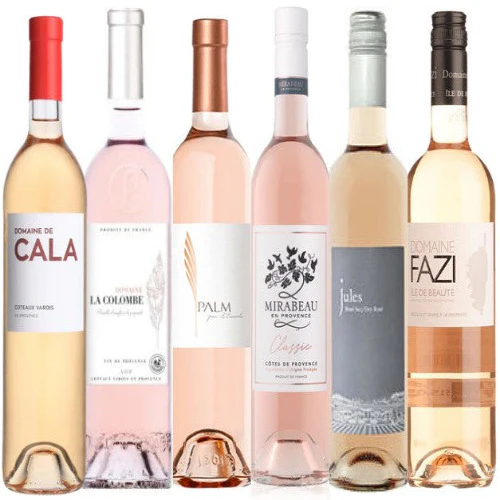
The pink wine phenomenon isn’t just clever marketing. Rosé outsells white wine in France during summer months, and American consumption has tripled over the past decade. The reasons go beyond Instagram aesthetics.
Temperature and refreshment factor
Rosé wines typically contain 11-13% alcohol, lower than most reds. This matters when temperatures climb. Higher alcohol wines feel heavier and warmer, exactly what you don’t want when it’s 85 degrees outside.
Acidity in quality rosé provides that mouth-watering sensation that makes you reach for another sip. Think of it like the difference between drinking lemonade versus fruit punch on a hot day. One refreshes. The other sits heavy.
Most rosés are meant to be consumed young and served chilled. Cold temperature brightens the crisp finish and makes the wine more thirst-quenching than room-temperature alternatives.
Production methods create lighter flavors
The “saignée” method involves bleeding off pink juice from red grape skins after brief contact. This creates wines with red grape complexity but without the tannins that make your mouth feel dry and coated.
Direct-press rosés, made by gently pressing red grapes immediately, produce even lighter styles. These wines capture fruit flavors without extracting the compounds that create weight and intensity.
Both methods result in wines that pair naturally with summer foods rather than competing with them.
Food pairing versatility
Rosé bridges the gap between white and red wine food pairings. It handles the protein in grilled chicken or fish while complementing the fresh herbs and citrus common in summer cooking, though it works particularly well with Mediterranean and coastal cuisines that emphasize olive oil, tomatoes, and seafood since these flavor profiles naturally align with warm-weather dining patterns.
One bottle works for appetizers through dessert when you’re serving lighter fare. This practical advantage matters more than wine enthusiasts sometimes admit.
The outdoor drinking advantage
Red wine stains are permanent disasters at outdoor events. Rosé spills blend into most surfaces and clothing colors, reducing anxiety around expensive fabrics and furniture. The wine also handles temperature fluctuations better than delicate whites.
If your rosé sits out for 30 minutes during a barbecue, it remains drinkable. Try that with a crisp Sauvignon Blanc.
Many people find it easier to buy rosé wine online in larger quantities for summer entertaining, since the style remains consistent across different producers within the same price range.
Timing and seasonality
Most rosés are released in spring for summer consumption. This isn’t coincidence. The wines are designed to be consumed within 12-18 months of vintage, aligning with seasonal drinking patterns.
Light, fresh character that makes rosé perfect for summer also makes it less suitable for fall and winter drinking. The wine lacks the body and complexity that cooling weather demands. This natural seasonality reinforces the summer association while producers understand this cycle and time their marketing accordingly, you’ll notice rosé promotions ramp up in May and peak in July, then disappear by September.
Price and accessibility
Quality rosé starts around $12-15, making it accessible for regular consumption rather than special occasions. Production requires less aging and oak investment than premium reds, keeping costs reasonable, and the style delivers immediate gratification since unlike complex reds that benefit from decanting or aging, good rosé tastes exactly as intended straight from the bottle.
This simplicity appeals to casual wine drinkers who want reliable results without expertise. The combination of affordability, reliability, and summer-specific benefits explains rosé’s growth beyond trend status.
