

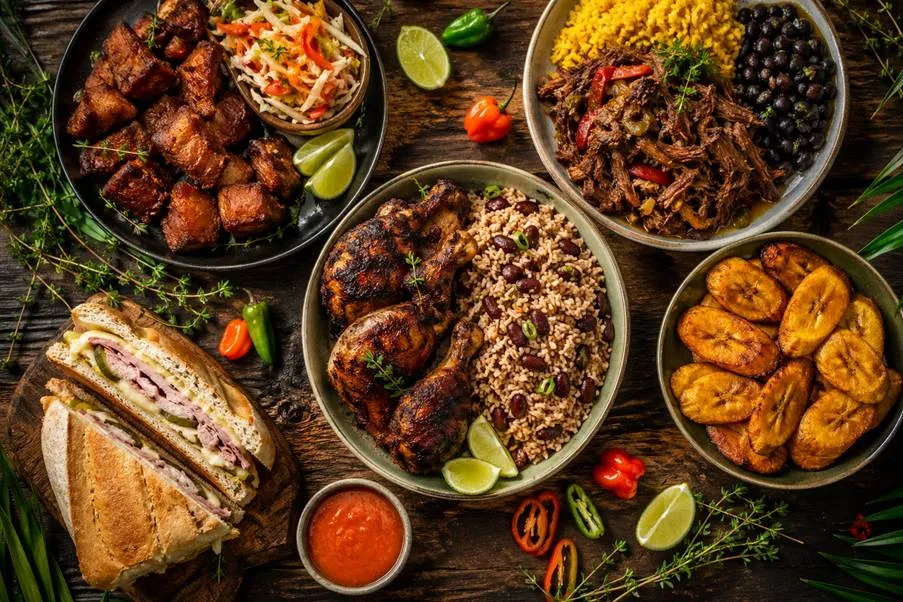
Caribbean food is one of the most flavor-packed, cultural, and underappreciated cuisines on the global food map. With its blend of African, Indigenous, European, and Asian influences, Caribbean cuisine tells the story of centuries of trade, migration, and cultural exchange in every dish. While Caribbean food can be found across the United States, few places offer the depth and authenticity of Miami, where the Haitian, Jamaican, Cuban, and broader Caribbean diasporas have shaped the food scene for generations.
This guide explores the Caribbean food traditions you will find in Miami, the spices and techniques that define the cuisine, and the dishes every food lover should try at least once. Whether you are visiting the city for the first time or you have lived here for years, Caribbean food in Miami offers something new every time you sit down to eat.
Why Miami Is a Caribbean Food Capital
Miami’s location at the southern tip of Florida places it geographically and culturally at the intersection of the Caribbean and the United States. Cuba sits 90 miles to the south. Haiti, Jamaica, the Bahamas, and the Dominican Republic are all short flights away. Generations of Caribbean migration have made Miami home to vibrant communities from each of these nations, and the food has followed.
The result is a city where you can eat authentic Cuban ropa vieja for lunch, Haitian griot for dinner, and Jamaican jerk chicken at midnight, often within a 15-minute drive of each other. Few American cities offer this level of Caribbean food diversity within such a small geographic area.
Miami Gardens, in particular, has emerged as one of the most concentrated areas for Caribbean cuisine in South Florida. The largest majority-Black city in Florida, Miami Gardens is home to a substantial Haitian and Caribbean American population, and the food scene reflects that heritage. Family-run restaurants, neighborhood bakeries, and food trucks serving Caribbean specialties are everywhere. A useful starting point is the Jamaican restaurant guide for Miami Gardens, which highlights the authentic spots locals frequent.
The Three Pillars of Caribbean Cuisine in Miami
Caribbean food in Miami is anchored by three culinary traditions: Cuban, Haitian, and Jamaican. While each cuisine has its own distinct identity, they share common ingredients, techniques, and flavor philosophies that reflect the broader Caribbean food story.
Cuban Cuisine: The Slow-Cooked Tradition
Cuban food is perhaps the most internationally recognized Caribbean cuisine, thanks to Miami’s long history as a cultural and commercial bridge to Cuba. Cuban cooking emphasizes slow-braised meats, citrus marinades (mojo), and rice and beans as the foundational starch.
Signature Cuban dishes include:
- Ropa vieja: Slow-cooked, shredded flank steak in a tomato-based sauce with peppers, onions, and garlic. The name translates to “old clothes,” referring to the shredded appearance of the meat.
- Lechón asado: Cuban roast pork marinated in mojo (a sour orange, garlic, and cumin sauce), then slow-roasted until the skin crisps and the meat falls apart.
- Cuban sandwich: Pressed sandwich with roast pork, ham, Swiss cheese, pickles, and mustard on Cuban bread. Originated in Florida (with debates between Miami and Tampa over which version is authentic).
- Picadillo: Ground beef simmered with olives, raisins, capers, tomatoes, and aromatic spices. Served over white rice.
- Black beans and rice (moros y cristianos): The foundational side dish, made with black beans, rice, sofrito, and bay leaves.
- Croquetas and pastelitos: Cuban bakery staples. Croquetas are breaded fried logs of ham or chicken; pastelitos are flaky pastries filled with guava, cheese, or meat.
Cuban food in Miami is often eaten standing up at a ventanita (a sidewalk window) with a thimble-sized cup of Cuban coffee. The cuisine rewards patience: the best ropa vieja and lechón take hours of slow cooking to develop their depth.
Haitian Cuisine: Bold, Spicy, Soulful
Haitian food is one of the most flavor-intense cuisines in the Caribbean, blending African, French, Spanish, and Indigenous Taíno influences. Spice plays a central role, particularly the use of Scotch bonnet peppers and a marinade-based cooking philosophy called epis (a fragrant green herb base used to season nearly everything).
Signature Haitian dishes include:
- Griot: The most iconic Haitian dish. Pork shoulder marinated in citrus, garlic, and herbs, then boiled until tender and fried until crispy. Served with pikliz (spicy pickled vegetable slaw) and rice.
- Diri ak djon djon: Black mushroom rice, a delicacy made with djon djon mushrooms native to Haiti. The mushrooms turn the rice deep black and impart a rich, earthy flavor.
- Soup joumou: A pumpkin and beef soup traditionally eaten on January 1st to commemorate Haitian independence. UNESCO recognized it as an Intangible Cultural Heritage of Humanity in 2021.
- Tasso: Caribbean-style spiced beef jerky, marinated and dried until intensely flavored.
- Pikliz: The condiment that sits on every Haitian table. Cabbage, carrots, Scotch bonnet peppers, and vinegar fermented into a fiery slaw. Goes on everything.
- Bannann peze: Twice-fried green plantains, salted and served as a side or snack. Crisp on the outside, starchy and savory inside.
Haitian cuisine in Miami is often a community experience. Family restaurants, bakeries, and food trucks serve everything from full plates to individual snacks like patties and sweet plantain treats.
Jamaican Cuisine: Smoke, Spice, and the Power of Allspice
Jamaican food is built on bold, smoky, and spicy flavors, with allspice (called pimento on the island) at the center of nearly every signature dish. The cuisine reflects African, British, Indian, and Chinese influences, all reshaped by Jamaican ingredients and traditions.
Signature Jamaican dishes include:
- Jerk chicken: The most famous Jamaican dish globally. Chicken marinated in a fiery blend of allspice, Scotch bonnet peppers, thyme, garlic, and ginger, then grilled or smoked over pimento wood. The smoke and spice combination is unmistakable.
- Curry goat: Goat meat slow-braised with curry powder, Scotch bonnet, and aromatic spices until tender. A staple at celebrations and family gatherings.
- Oxtail: Slow-braised oxtail in a savory gravy, served with rice and peas (rice cooked with kidney beans and coconut milk). One of the most beloved comfort foods in Jamaican cuisine.
- Ackee and saltfish: The national dish. Ackee fruit (a Caribbean fruit native to Jamaica) sautéed with salt cod, onions, peppers, and tomatoes. Often served with festival bread or fried dumplings for breakfast.
- Beef patties: Flaky, turmeric-tinted pastry filled with seasoned ground beef. Sold everywhere from corner stores to dedicated patty shops.
- Festival: A slightly sweet fried cornmeal dumpling, often served with jerk chicken to balance the heat.
Jamaican food in Miami spans the spectrum from quick patty shops to full sit-down restaurants. Many Jamaican restaurants also serve traditional drinks like sorrel (hibiscus tea), Ting (grapefruit soda), and ginger beer.
The Spices and Ingredients That Define Caribbean Cooking
What makes Caribbean food distinctive is the consistent use of certain ingredients across cuisines. Walk into a Cuban, Haitian, or Jamaican kitchen and you will find many of the same building blocks:
- Scotch bonnet peppers: The Caribbean’s signature chili. Fruity, floral, and intensely hot. Used in marinades, sauces, and pickles across all three cuisines.
- Allspice (pimento): Native to Jamaica. Tastes like a blend of cinnamon, nutmeg, and clove. Central to jerk seasoning.
- Garlic and onion: The aromatic foundation. Often blended into pastes for marinades.
- Citrus (sour orange, lime): Used to marinate meats and brighten sauces. Cuban mojo is built on sour orange.
- Plantains: Cooked in every form. Green plantains for tostones, ripe plantains for sweet sides, mashed plantains for mofongo and accras.
- Coconut milk: Used in rice and peas, curries, and sauces across Jamaican and other Caribbean cooking.
- Beans and legumes: Black beans (Cuban), red beans (Haitian), kidney beans (Jamaican rice and peas). Each cuisine has its own bean tradition.
- Thyme: Used heavily in Jamaican cooking, often added with ginger and Scotch bonnet to season meats.
The combination of these ingredients across different cooking techniques (slow-braising, grilling, frying, stewing) creates the depth that defines Caribbean food.
Where to Eat Caribbean Food in Miami
Miami’s Caribbean food scene spans neighborhoods. Little Havana is the obvious destination for Cuban cuisine, but the most authentic and affordable Caribbean food in the city sits north of downtown, in neighborhoods like Miami Gardens, North Miami, and Little Haiti.
A few guidelines for finding the best spots:
- Family-run restaurants beat chains every time. Look for places with the family name in the title and recipes passed down through generations.
- Cash-friendly is a good sign. The most authentic Caribbean spots often run small operations with simple payment systems.
- Look for local crowds. If the dining room is full of people speaking Haitian Creole, Spanish, or Jamaican patois, you are in the right place.
- Bakeries are underrated. Caribbean bakeries serve patties, pastelitos, sweet breads, and meals at prices that make full restaurants seem expensive.
- Food trucks are part of the scene. Many of the best jerk chicken and griot in Miami comes off a truck or a small lot setup, not a sit-down restaurant.
For visitors planning a trip to Miami, particularly during major events at Hard Rock Stadium, eating Caribbean food in Miami Gardens is a memorable way to experience the city beyond the tourist zones. The restaurants near Hard Rock Stadium guide covers the best spots for pregame and postgame meals, including Caribbean restaurants that serve the dishes covered in this article.
Cooking Caribbean Food at Home
While restaurant Caribbean food in Miami is unparalleled, the cuisine is also rewarding to cook at home. A few tips for cooking Caribbean dishes in your own kitchen:
- Marinate longer than you think. Caribbean meats benefit from overnight marinating. The flavors penetrate slowly, and the wait is worth it.
- Build a Caribbean spice pantry. Allspice (whole and ground), Scotch bonnet hot sauce, dried thyme, fresh ginger, garlic powder, and adobo seasoning will get you 80% of the way to authentic flavor.
- Use sofrito or epis as your base. Most Caribbean cuisines start with a green herb and aromatic blend. Make a batch ahead and store it in the freezer.
- Don’t skip the pickles and sides. Pikliz, plantains, and rice and peas are not optional. They balance the heat and complete the meal.
- Slow-cook the meats. Ropa vieja, oxtail, and griot all reward time. Plan for 2 to 3 hours of cooking on most signature dishes.
Caribbean Food and Cultural Heritage
Eating Caribbean food in Miami is not just about flavor. It is about understanding the history of the people who brought these dishes here. The Cuban exodus after the 1959 revolution. The Haitian migration that built Little Haiti and Miami Gardens. The Jamaican community that has shaped neighborhoods across the city for decades.
Each dish carries that history. Soup joumou is not just pumpkin soup. It is a celebration of Haitian independence eaten by a community that was once forbidden from eating it. Cuban coffee is not just espresso with sugar. It is a daily ritual that has anchored generations of Cuban Americans. Jerk chicken is not just spicy grilled chicken. It is a cooking tradition that traces back to the Maroons of Jamaica, a community of escaped enslaved people who developed jerk cooking as a way to preserve and prepare meat in the Jamaican mountains.
For visitors and food lovers, recognizing this context turns a meal into a story. For families and home cooks who carry these traditions forward, every dish is a connection to home.
The Takeaway
Caribbean food in Miami is one of the most flavorful, diverse, and authentic culinary scenes in the United States. The combination of Cuban, Haitian, and Jamaican traditions, supported by smaller communities of Bahamian, Dominican, Trinidadian, and Puerto Rican cuisine, makes the city a Caribbean food destination on par with islands themselves.
For visitors to Miami, particularly those staying near the Hard Rock Stadium for major events, the Caribbean food scene is a reason to explore beyond Ocean Drive. The visitor guide to Miami Gardens covers other aspects of the city, including parks, neighborhoods, and events worth experiencing alongside the food.
Caribbean cuisine rewards curiosity. The more you taste, the more you understand why these flavors have shaped Miami’s food culture and continue to draw food lovers from around the world. Pull up a chair, order the griot, the oxtail, or the ropa vieja, and start exploring.
