

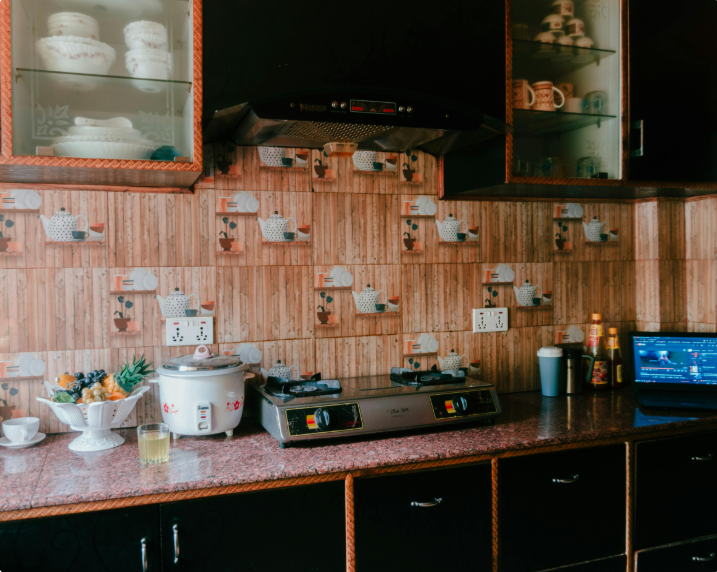
Rice cookers have become a staple kitchen appliance in many homes around the world. They are convenient, easy to use, and help prepare perfectly cooked rice with minimal effort. Whether you’re cooking white rice, brown rice, or even steaming vegetables, a rice cooker can simplify meal preparation.
But some people wonder: Do rice cookers use a lot of electricity?
The good news is that rice cookers are generally quite energy-efficient compared to many other kitchen appliances. While they do use electricity during the cooking process, the amount of power required is relatively modest.
In this article, we’ll explore how rice cookers work, how much electricity they typically use, and ways you can use them efficiently at home.
How Rice Cookers Work
Rice cookers are designed to cook rice using a combination of heat and moisture. The appliance consists of a heating element, an inner cooking pot, and a thermostat that controls the cooking process.
Here’s how the basic process works:
- Rice and water are placed in the inner pot.
- The heating element brings the water to a boil.
- The rice absorbs the water as it cooks.
- Once the water is absorbed, the temperature inside the cooker rises.
- The thermostat detects the change and switches the cooker to “keep warm” mode.
Because the cooking process is automated, rice cookers avoid overcooking and often use energy more efficiently than traditional stovetop cooking.
How Much Electricity Does a Rice Cooker Use?
Rice cookers vary in size and power, but most household models use between 300 and 700 watts while actively cooking.
To understand how much electricity that represents, let’s look at a typical example.
Example Electricity Use
Suppose a rice cooker uses 500 watts and runs for about 30 minutes to cook a batch of rice.
● Power usage: 500 watts
● Cooking time: 0.5 hours
● Energy used: 0.25 kilowatt-hours (kWh)
If electricity costs $0.15 per kWh, the cost of cooking one batch of rice would be around:
$0.04
That means cooking rice once a day with a rice cooker would cost roughly $1 to $2 per month in electricity.
Compared to many other kitchen appliances, that’s relatively low.
Does the “Keep Warm” Function Use Electricity?
Many rice cookers include a keep warm setting, which maintains the rice at a safe serving temperature after cooking.
This mode uses much less electricity than the cooking phase.
Typical power usage in keep warm mode is about 30 to 50 watts.
While this amount is small, leaving the rice cooker on keep warm for many hours can gradually add to electricity use.
For example:
● 40 watts for 4 hours = 0.16 kWh
Although this still isn’t very high, turning off the keep warm mode when you’re finished eating can help reduce unnecessary energy use
How Rice Cookers Compare to Other Kitchen Appliances
When it comes to electricity consumption, rice cookers are generally more efficient than many other cooking appliances.
Here’s a comparison of common kitchen appliances:
| Appliance | Typical Power Use |
| Rice cooker | 300–700 watts |
| Microwave oven | 800–1200 watts |
| Electric stovetop burner | 1000–3000 watts |
| Electric oven | 2000–5000 watts |
| Electric kettle | 1200–1500 watts |
As you can see, rice cookers typically use less electricity than ovens, stovetops, and kettles.
Because they cook food in a sealed environment, rice cookers also retain heat efficiently, reducing energy waste.
Factors That Affect Rice Cooker Electricity Use
Several factors can influence how much electricity your rice cooker uses.
Cooker Size
Larger rice cookers designed for families may use more power than smaller models.
Cooking Time
Cooking brown rice or other grains may take longer than white rice, slightly increasing electricity use.
Insulation Quality
Higher-quality rice cookers often include better insulation, which helps retain heat and improve energy efficiency.
Keep Warm Duration
Leaving the cooker on keep warm for long periods can increase total energy use.
Tips for Using Your Rice Cooker Efficiently
Rice cookers are already energy-efficient, but a few simple habits can help maximize efficiency.
Cook the Right Amount
Avoid cooking more rice than needed. Smaller batches use less electricity.
Turn Off Keep Warm When Done
If you don’t plan to eat the rice soon, turning off the keep warm setting can save energy.
Keep the Lid Closed
Opening the lid frequently during cooking allows heat to escape, which can extend cooking time.
Clean the Cooker Regularly
A clean heating plate and pot ensure efficient heat transfer.
Use the Correct Water Ratio
Using the right amount of water helps rice cook properly without extending the cooking time.
Energy Costs and Household Efficiency
While rice cookers don’t use much electricity individually, being mindful of energy use across all appliances can help households manage their overall electricity consumption.
Families trying to reduce utility costs often focus on:
● Efficient cooking appliances
● Smart energy habits
● Comparing electricity plans
In some areas, evaluating options such as archer city electricity rates may help households better understand their local energy costs and choose plans that suit their usage patterns.
Combining efficient appliances with smart energy choices can make a noticeable difference over time.
Frequently Asked Questions (FAQs)
Do rice cookers consume a lot of electricity?
No. Rice cookers generally use between 300 and 700 watts, which is relatively low compared to many other kitchen appliances.
Is a rice cooker more efficient than cooking rice on the stove?
In many cases, yes. Rice cookers are designed to cook rice efficiently and automatically stop when the rice is done.
Does leaving rice on “keep warm” use a lot of electricity?
The keep warm function uses much less electricity than cooking mode, but leaving it on for many hours can gradually increase energy use.
How much does it cost to run a rice cooker?
Cooking a batch of rice typically costs just a few cents in electricity, depending on local electricity rates.
Are modern rice cookers energy efficient?
Yes. Many modern rice cookers include improved insulation and smart cooking features that help reduce energy consumption.
Should I unplug my rice cooker after using it?
Unplugging appliances when not in use can eliminate small amounts of standby power, although rice cookers typically use very little standby electricity.
Final Thoughts
Rice cookers are convenient, reliable, and surprisingly energy-efficient kitchen appliances. While they do use electricity during the cooking process, the amount is relatively small compared to other appliances like ovens or stovetops.
For most households, cooking rice with a rice cooker costs only a few cents per use. By using the appliance wisely—such as turning off the keep warm function when not needed—you can keep electricity use even lower.
Ultimately, rice cookers offer an efficient and practical way to prepare meals while keeping energy consumption manageable in the kitchen.
