

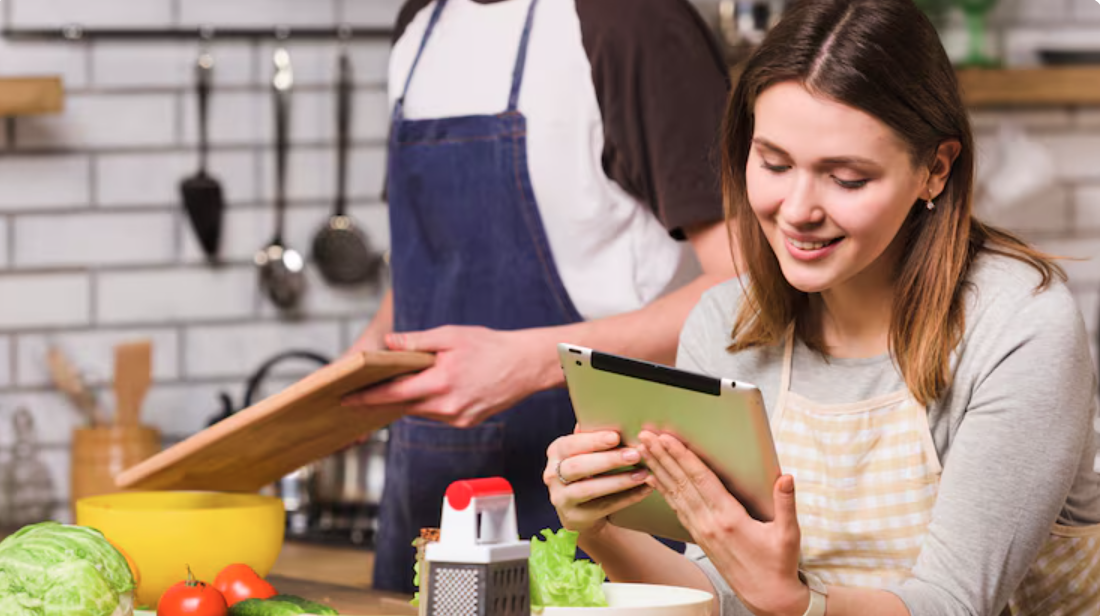
Home cooks often juggle meal planning, grocery budgeting, and recipe organization with limited time and energy. Many assume helpful kitchen software is expensive or designed only for professionals. In reality, there are affordable and even free digital tools that simplify cooking, reduce food waste, and make home meals more enjoyable. This article highlights practical, low-cost software options that help home cooks stay organized, inspired, and efficient without overcomplicating the process.
1. Recipe Management Software That Keeps Everything in One Place
Recipe overload is a common problem for home cooks who save links, screenshots, and handwritten notes everywhere. Affordable recipe managers like Paprika and Copy Me That help centralize recipes into searchable libraries. These tools allow users to import recipes from websites, tag favorites, and add personal notes. Most offer one-time purchases or low annual fees instead of subscriptions. Centralized storage reduces decision fatigue during busy weeks. A single trusted recipe hub makes cooking feel more manageable and intentional.
2. Meal Planning Software That Saves Time and Reduces Waste
Meal planning tools turn random cooking into a predictable routine. Platforms like Mealime and Eat This Much provide customizable meal plans based on preferences and household size. These tools help cooks avoid last-minute takeout by offering structured plans and portion guidance. Many free versions are robust enough for everyday use. Planned meals lead to smarter grocery shopping and less food waste. Over time, this consistency saves both money and mental energy.
3. Grocery List & Pantry Tracking Tools for Smarter Shopping
Impulse buying and forgotten pantry items increase food costs. Low-cost tools like AnyList and Out of Milk help home cooks track groceries in real time. These apps sync lists across devices, making them useful for families or shared households. Some also support pantry tracking, so users know what they already own. Clear lists reduce duplicate purchases and missed ingredients. Better shopping habits start with better information.
4. Nutrition & Cooking Insight Software for Health-Conscious Cooks
Home cooks interested in nutrition benefit from software that balances health with practicality. Tools like MyFitnessPal and Cronometer offer free tiers that analyze meals and ingredients. These platforms help users understand portion sizes and nutritional balance without strict dieting. They work best when used as guides, not rules. Awareness encourages smarter ingredient choices over time. Knowledge becomes a supportive tool rather than a source of pressure.
5. Cooking Timers & Kitchen Utility Apps That Improve Accuracy
Timing mistakes can ruin otherwise great meals. Multi-function kitchen apps like Kitchen Stories include built-in timers, step-by-step instructions, and visual cues. These features are especially helpful for newer cooks learning techniques. Many utility apps are free or very low-cost. Consistent timing improves confidence and results. Precision doesn’t require professional equipment, just the right digital assistance.
6. Budgeting & Cost-Tracking Software for Home Kitchens
Food costs add up quickly without visibility. Simple budgeting tools such as Mint allow users to categorize grocery spending and track trends. Home cooks can identify which meals are cost-effective and which strain the budget. Even basic tracking creates awareness that influences future choices. Cooking at home becomes more strategic when costs are visible. Financial clarity supports sustainable cooking habits.
🧑🍳 FAQ: Card Design Tips for Home Cooks Sharing Recipes & Food Gifts
Many home cooks enjoy sharing recipes, meal plans, or homemade food gifts with others. Well-designed cards help communicate ingredients, instructions, or personal notes clearly and thoughtfully. The following questions address common concerns home cooks have when creating simple, effective cards for these purposes.
What types of cards are most useful for home cooks?
Recipe cards, freezer labels, and gift enclosure cards are the most common. Recipe cards help standardize instructions for sharing, while freezer labels prevent forgotten leftovers. Gift cards add a personal touch when giving baked goods or meals. Each serves a practical purpose beyond decoration. Utility should guide the format choice.
Are there easy tools for designing cards without graphic skills?
Yes, beginner-friendly platforms make the process simple. Adobe Express offers intuitive templates and tools, including options for free cards to print that work well for recipes or food notes. Other services like VistaPrint and Zazzle also provide card creation and printing options. These platforms reduce complexity for non-designers. Ease of use encourages consistency.
How can home cooks keep cards clear and readable?
Clarity comes from simplicity. Limiting fonts, using high contrast, and spacing instructions clearly makes cards more usable. Cooks should prioritize legibility over decoration, especially for kitchen use. Short ingredient lists and numbered steps improve usability. A clean layout ensures the card actually gets used.
Is printing at home or ordering online better for recipe cards?
Printing at home works well for small batches or frequent updates. Online printing services are better for gifting or larger quantities. Companies like Moo specialize in high-quality small print runs. The choice depends on volume and purpose. Both options are affordable with planning.
What size works best for cards used in the kitchen?
Standard index-card sizes are practical because they fit recipe boxes and stands. Slightly thicker paper resists spills and wear. Digital templates often include standard sizing for convenience. Choosing a familiar size improves usability. Function should guide dimensions, not trends.
Low-cost software empowers home cooks to stay organized, save money, and cook with more confidence. From recipe managers to budgeting tools and practical card solutions, these digital resources remove friction from everyday cooking. The real value lies in creating systems that support consistency rather than perfection. When technology simplifies planning and sharing, cooking becomes more enjoyable and sustainable. The ultimate goal is clear: smarter tools that help home cooks spend less time stressed and more time creating meals they love.
