


Your Flavor-Packed Journey Through Sikkim’s Culinary Wonderland
So, you’re planning a trip to Sikkim and wondering what to eat besides, well, more mountains? Let me tell you something: the famous food of Sikkim is just as breathtaking as its snow-capped peaks and just as diverse as its cultural tapestry.
Whether you’re a hardcore foodie, a casual traveler, or someone who thinks “adventure” means trying a new flavor of instant noodles, this guide to the famous food of Sikkim will blow your mind (and possibly your taste buds, in the best way possible). We’re diving deep into 15 mouth-watering dishes that define Sikkimese cuisine—from the iconic to the obscure, from the spicy to the sweet.
Quick Stats: Sikkim at a Glance
| Category | Details |
|---|---|
| Population (2024) | Approximately 697,000 |
| Capital City | Gangtok |
| Tourist Arrivals (2024 Q1) | 290,401 visitors |
| Major Ethnic Groups | Lepcha, Bhutia, Nepali |
| Primary Languages | Nepali, Hindi, Bhutia, Lepcha, Limbu |
| Cuisine Influences | Tibetan, Nepali, Lepcha |
| Main Crops | Cardamom, Rice, Ginger, Tea |
| Vegetarian Population | 11.7% (rural areas) |
| Famous for | Organic farming, fermented foods |
Understanding Sikkimese Cuisine: A Melting Pot of Himalayan Flavors
Before we jump into the famous food of Sikkim with pictures (mentally, at least—use your imagination!), let’s talk about what makes this cuisine so special. The what is the famous food of Sikkim question isn’t simple because Sikkimese food is a beautiful collision of Tibetan, Nepali, and indigenous Lepcha traditions.
Think of it like a culinary remix where Tibet drops the bass with hearty noodles, Nepal brings the rhythm with lentils and spices, and the Lepchas add their own secret sauce—literally, in the form of fermented everything. The result? A cuisine that’s wholesome, organic, and bursting with flavors that somehow feel both exotic and comforting.
1. Momos: The Undisputed King of Sikkim Street Food
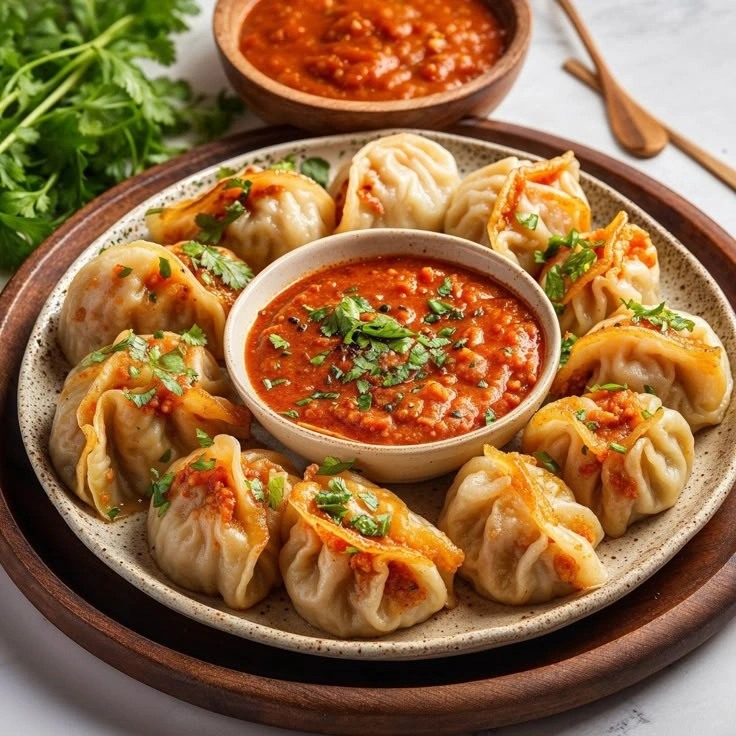
Let’s start with the obvious crowd-pleaser: momos. If the famous food of Sikkim had a mascot, it would be these little pockets of joy. These dumplings are to Sikkim what pizza is to Italy—except way more versatile and, dare I say, cuter.
Momos are made by wrapping thin dough around a filling of minced meat (usually chicken or pork) or vegetables, then steaming them until they’re soft and juicy. The magic happens when you dip them into that spicy red chutney that makes your eyes water and your heart sing simultaneously.
Varieties You’ll Find:
- Steamed Momos: The classic, healthy option
- Fried Momos: For when you’re feeling rebellious
- Jhol Momos: Swimming in a tangy soup
- Cheese Momos: Because cheese makes everything better
- Chocolate Momos: Yes, this exists, and yes, it’s wild
Pro tip: Don’t be that person who eats momos with a fork. Use your hands, dip generously, and embrace the mess. That’s the authentic way.

2. Thukpa: The Hug in a Bowl
If momos are the celebrity of Sikkim cuisine, the famous food of sikkim thukpa is the comforting best friend you call at 2 AM. This Tibetan noodle soup is exactly what you need after a long day of trekking or, let’s be honest, after doing absolutely nothing but scrolling through your phone.
Thukpa consists of thick noodles swimming in a flavorful broth loaded with vegetables and sometimes meat. The soup is seasoned with ginger, garlic, and various spices that make it both warming and incredibly satisfying.
Why Locals Love It:
- It’s a complete meal in a bowl
- Perfect for Sikkim’s chilly weather
- Customizable to your taste preferences
- Incredibly affordable (usually around ₹80-120)
The secret to amazing thukpa lies in the broth. A good thukpa broth should be clear but intensely flavorful, with hints of ginger and the earthiness of vegetables. When done right, it’s liquid gold.
3. Gundruk: The Fermented Superstar
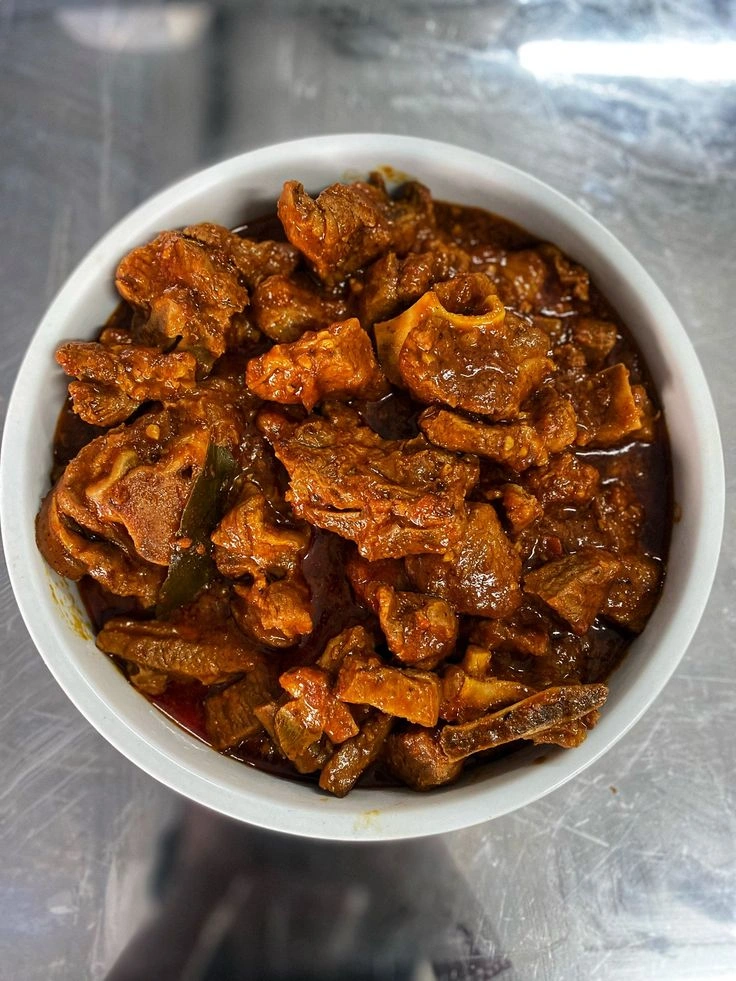
Now we’re getting into the most famous food of sikkim territory that separates the adventurous eaters from the cautious ones. Gundruk is a traditional fermented leafy vegetable dish made from mustard, radish, or cabbage leaves.
The leaves are wilted, packed tightly in a container, and left to ferment for several days. The result is a tangy, slightly sour ingredient that’s used in soups, pickles, or as a side dish with rice.
Health Benefits:
- Packed with probiotics
- High in fiber and vitamins
- Aids digestion
- Low in calories
I’ll be straight with you: gundruk is an acquired taste. The first time you try it, your face might do weird things. But give it a chance, and you’ll understand why locals can’t imagine life without it. It’s like the kombucha of the Himalayan world—weird at first, but oddly addictive.
4. Phagshapa: The Pork Lover’s Dream
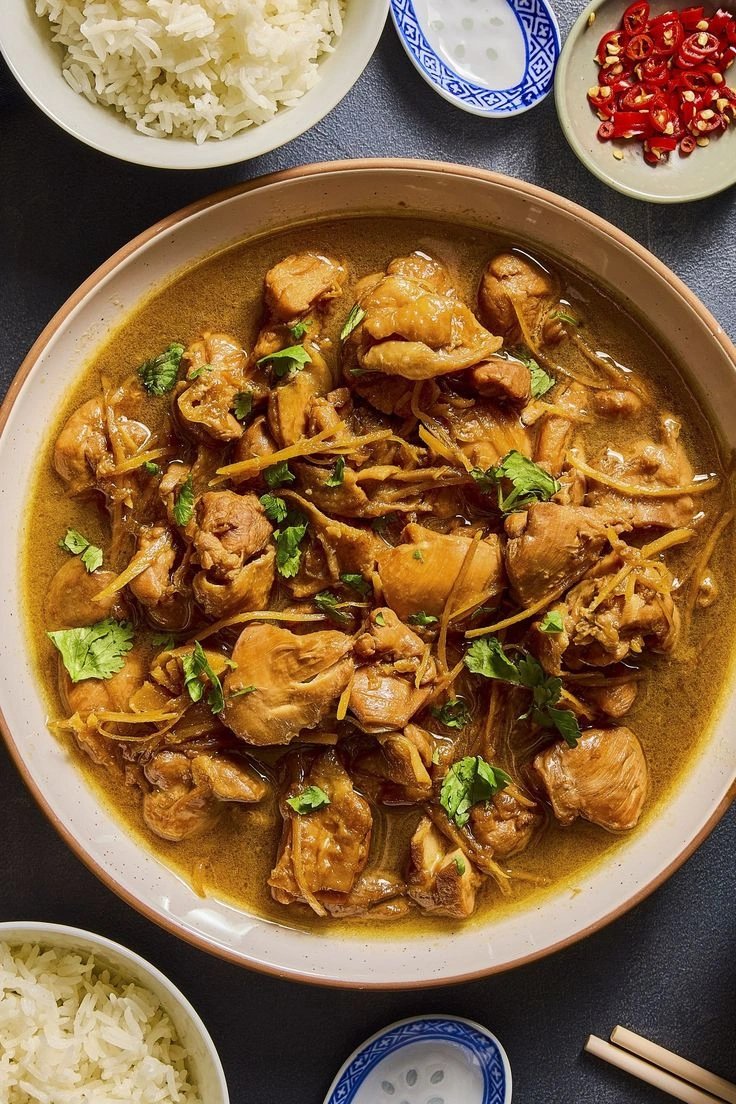
Listen, if you’re serious about experiencing the five famous food of Sikkim, you absolutely cannot skip Phagshapa. This is a traditional Sikkimese dish made with strips of pork fat stewed with radishes and dried red chilies.
Wait, come back! I know “pork fat” might sound intimidating, but this dish is surprisingly balanced. The radishes add a refreshing crunch, and the chilies bring the heat. Plus, it’s made without any oil—the pork fat itself provides all the richness needed.
What Makes It Special:
- High protein content
- Unique spicy-tangy flavor profile
- Traditional Bhutia preparation method
- Typically served with steamed rice
The Golden Dragon hotel in Gangtok reportedly serves the most authentic Phagshapa in all of Sikkim. Just saying.
5. Sha Phaley: The Crispy Tibetan Sensation
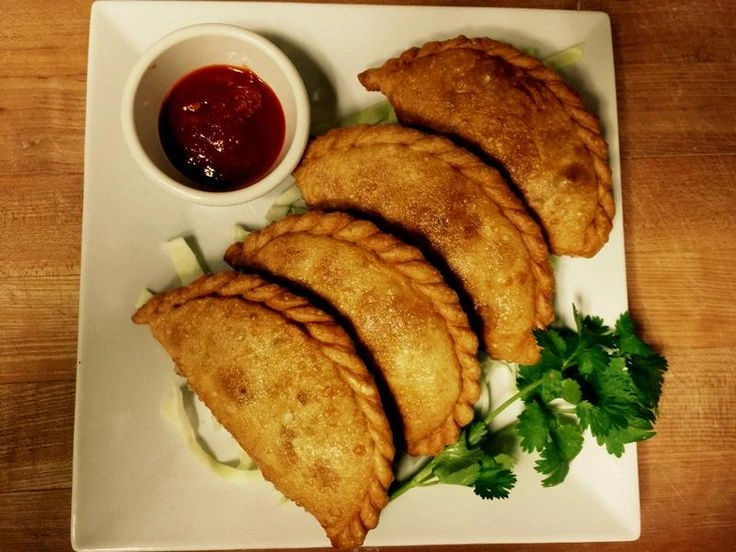
Imagine if a momo and a samosa had a baby—that’s basically Sha Phaley for you. This deep-fried bread is stuffed with ground meat (beef or chicken) and cabbage, shaped into semi-circles, and fried until golden and crispy.
The exterior is gloriously crunchy while the interior remains soft and juicy. It’s the kind of snack that makes you momentarily forget about your diet, your worries, and possibly your name.
Modern Variations:
- Vegetable filling for vegetarians
- Cheese and tofu versions
- Chicken tikka fusion versions
The Roll House in Gangtok is famous for their Sha Phaley. Expect a queue, but trust me, it’s worth the wait.
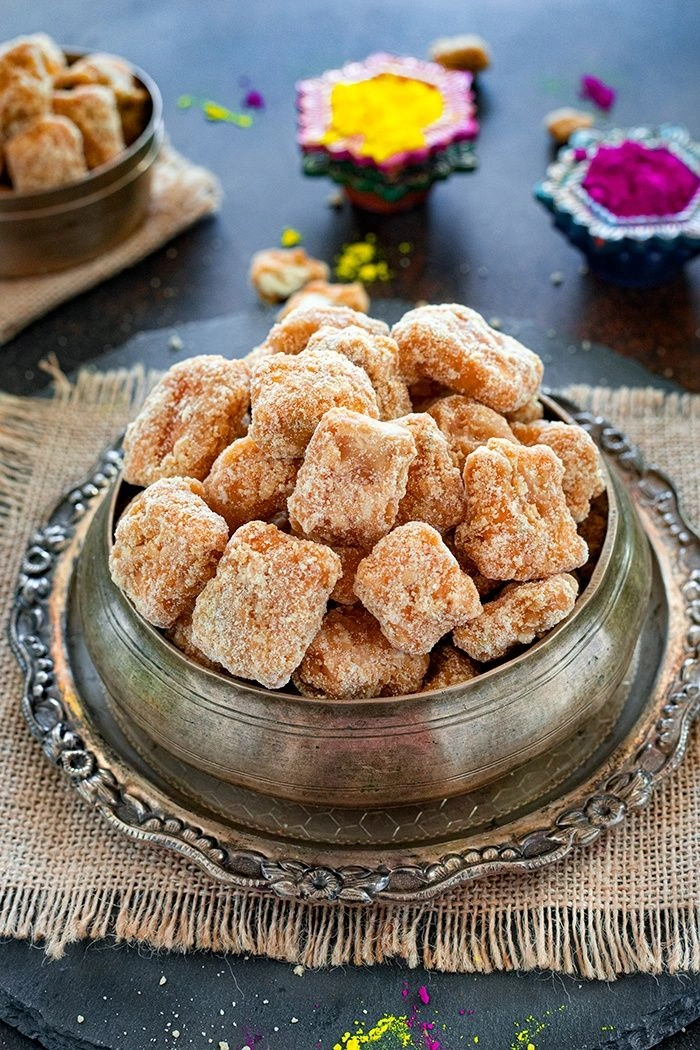
6. Chhurpi: The Cheese That Doubles as a Workout
Chhurpi is Sikkim’s answer to cheese, and it comes in two wildly different forms: soft and hard. The soft version (chhurpi ningro) is similar to cottage cheese or paneer and is used in cooking. But the hard version (chhurpi durkha)? That’s a whole different ball game.
Hard chhurpi is like chewing on a savory rock. Made from yak or cow milk, it’s dried until it becomes extremely hard and chewy. Locals love it as an evening snack, but for newcomers, it’s basically a jaw workout disguised as food.
Uses:
- Soft chhurpi: Added to curries and soups
- Hard chhurpi: Chewed as a snack or grated over dishes
- Chhurpi soup: A warming winter beverage
Fun fact: Hard chhurpi can last for years without refrigeration, making it the original survival food.
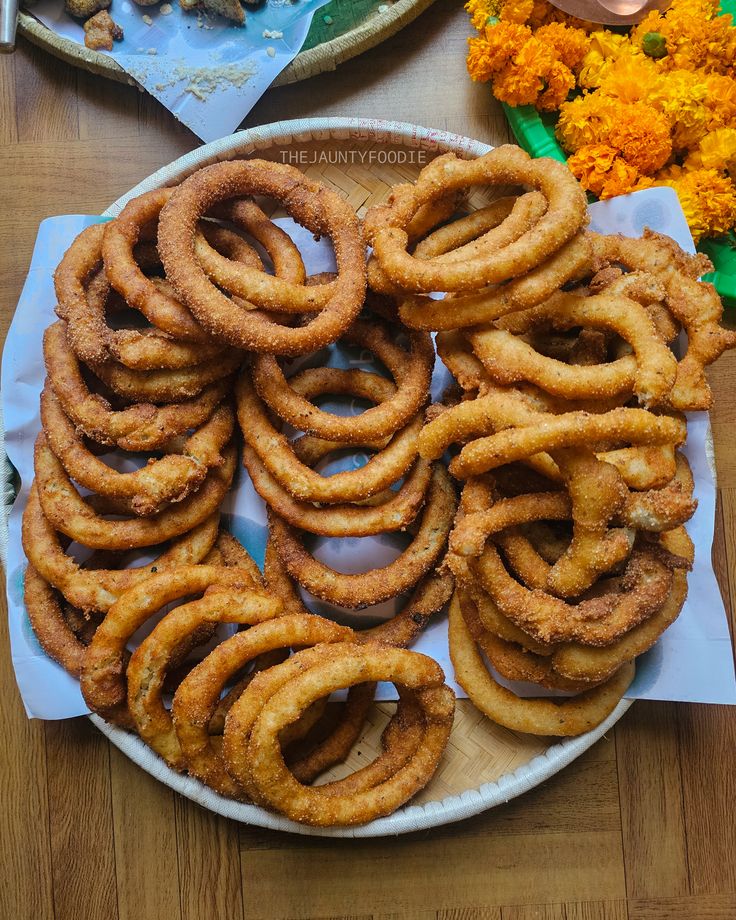
7. Sael Roti: The Sweet Ring of Joy
Every culture has that one sweet dish that makes you question why you ever tried anything else. For Sikkim, that’s Sael Roti—a ring-shaped sweet bread made from rice and water paste, deep-fried until golden and crispy.
This isn’t your average roti. It’s slightly sweet, with a texture that’s crispy on the outside and soft on the inside. Traditionally served during festivals, it’s often enjoyed with potato curry or Shimi Ko Achar (bean pickle).
Perfect Pairings:
- Hot Sikkim tea
- Potato curry
- Shimi Ko Achar
- Just by itself (no judgment!)
The best Sael Roti is made early in the morning when the oil is fresh and the batter is perfectly fermented. If you can score a fresh batch, consider yourself blessed.
8. Kinema: The Protein-Packed Powerhouse
Welcome to the world of Kinema, a fermented soybean dish that’s basically the local version of Japanese natto. Made from boiled, fermented soybeans, kinema has a sticky texture and a pungent smell that can clear a room.
But here’s the thing: it’s incredibly nutritious and a staple for vegetarians in Sikkim. High in antioxidants, low in fat, and packed with protein, kinema is the ultimate health food—if you can get past the smell.
How It’s Served:
- As a curry with rice
- Mixed with spices and onions
- As a side dish
Kinema is popular not just in Sikkim but also in Nepal and Darjeeling. It’s one of those love-it-or-hate-it foods, and there’s no middle ground.

9. Dal Bhaat: The Comfort Food Classic
Sometimes the simplest dishes are the best. Dal Bhaat—lentil soup served with rice—is the soul food of Sikkim. It’s humble, it’s homely, and it’s exactly what you need after a day of adventure.
The dal is cooked with spices until soft and creamy, while the rice is fluffy and perfectly cooked. Typically served with accompaniments like vegetable curries, pickles, yogurt, and sometimes meat dishes, it’s a balanced meal that satisfies every craving.
Why It’s Beloved:
- Affordable and filling
- Nutritionally balanced
- Reminds locals of home
- Unlimited refills at most restaurants
As Indians love to say, “Dal Chawal” (as it’s known in Hindi) is unbeatable—even a five-star meal can’t match its comforting simplicity.
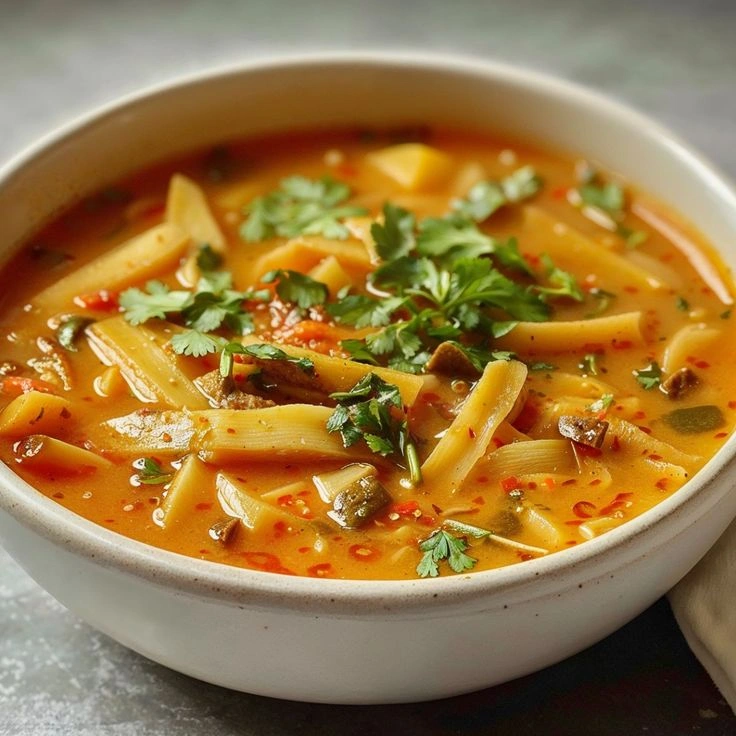
10. Bamboo Shoot Curry: The Jungle’s Gift
Bamboo shoot curry is one of those dishes that sounds weird but tastes amazing. Made from tender bamboo shoots cooked with onions, tomatoes, mustard, curry leaves, garlic, and spices, this curry has a unique earthy flavor.
The bamboo shoots add a crunchy texture that’s oddly satisfying, and the dish is loaded with vitamins and minerals. It’s also believed to improve digestion and metabolism.
Health Benefits:
- Rich in fiber
- Low in calories
- Good source of vitamins A, B6, and E
- Anti-inflammatory properties
Pair it with steamed rice, and you’ve got yourself a wholesome, delicious meal that’s also Instagram-worthy.
11. Sinki: The Ancient Fermented Treasure
Sinki is similar to gundruk but made exclusively from radish taproots. The radish roots are chopped, stuffed into bamboo containers, covered with straw and vegetation, then buried in mud for about a month to ferment.
The result is a tangy, spicy fermented vegetable that can be stored for years. It’s used as a pickle or added to soups for a distinctive sour flavor.
Traditional Uses:
- Mixed into soups
- Served as a pickle
- Added to curries for tanginess
Sinki is one of the famous food of Sikkim, with a name that showcases the genius of traditional food preservation. In an age before refrigerators, fermentation was the key to surviving long winters.

12. Kodo Ko Roti: The Healthy Millet Bread
Kodo Ko Roti, also known as Finger Millet Bread, is a traditional gluten-free flatbread made from millet flour. It’s dense, nutritious, and has a slightly nutty flavor that pairs beautifully with curries and chutneys.
This is one of those dishes that health-conscious travelers will absolutely love. Millet is a superfood packed with calcium, iron, and fiber.
Health Benefits:
- Gluten-free
- High in protein
- Rich in minerals
- Helps regulate blood sugar
Served hot with some potato curry or Shimi Ko Achar, Kodo Ko Roti is the perfect breakfast or lunch option.
13. Dhindo: The Traditional Powerhouse
Dhindo is a traditional Nepali dish that’s become a staple in Sikkim. Made from buckwheat, millet, or cornflour, it’s cooked slowly with water and stirred vigorously until it reaches a thick, dough-like consistency.
Dhindo is typically served with vegetable curries, meat dishes, or fermented foods like gundruk. It’s incredibly filling and provides sustained energy—perfect for those long treks through the mountains.
Why Locals Love It:
- Gluten-free option available
- Highly nutritious
- Keeps you full for hours
- Versatile accompaniment
Think of Dhindo as the Himalayan version of polenta, but heartier and more rustic.
14. Gya Kho (Chimney Soup): The Show-Stopping Spectacle
Gya Kho, also known as Chimney Soup, is as much about the presentation as the taste. This Tibetan dish is served in a special bowl that looks like a chimney, with hot coal placed underneath to keep the soup simmering at the table.
The soup itself is a hearty mix of vegetables, meat, and noodles in a rich broth. The theatrical presentation makes it perfect for special occasions or when you want to impress your dinner companions.
What Makes It Special:
- Unique presentation
- Stays hot throughout the meal
- Interactive dining experience
- Rich, complex flavors
Pro tip: Let it cool slightly before diving in—that coal underneath means business!
15. Sikkim Tea: The Perfect Companion
No exploration of the 5 famous food of Sikkim (okay, 15!) would be complete without mentioning Sikkim tea. Served in traditional-style cups, this tea has a sweet, strong aroma that’s utterly distinctive.
The Temi tea gardens in Sikkim are quite famous, supplying tea leaves to different parts of India. The tea is rich, flavorful, and the perfect accompaniment to any Sikkimese meal—or just a quiet moment watching the mountains.
Why It’s Special:
- Grown organically
- Unique sweet flavor profile
- Traditional preparation methods
- Perfectly complements local snacks
A cup of hot Sikkim tea with Sael Roti or momos? That’s basically heaven in a pairing.
Where to Find the Best Food in Sikkim
Finding authentic, famous food of Sikkim isn’t difficult—the state is bursting with excellent eateries. Here are some top recommendations:
In Gangtok:
- The Roll House: Best for Sha Phaley and momos
- 9ine Native Cuisine: Authentic Sikkimese dishes
- Golden Dragon Hotel: Famous for Phagshapa
- Kookay Restaurant: Great for Kinema curry
- Taste of Tibet: Excellent thukpa and momos
The Sikkim Food Festival: A Culinary Extravaganza
If you’re lucky enough to visit during the Sikkim Food Festival, you’re in for a treat. This annual event showcases the entire range of Sikkimese cuisine, from momos to thenthuk, and offers a glimpse into the region’s rich culinary heritage.
The festival is filled with cultural performances, cooking demonstrations, and the irresistible aroma of mouthwatering dishes. It’s a must-visit event for food lovers and a great way to experience multiple dishes in one setting.
The Story Behind the Flavors: Sikkim’s Culinary History
Understanding what is the famous food of Sikkim requires appreciating the state’s unique history. Sikkim’s strategic location between Nepal, Tibet, and Bhutan created a cultural melting pot where cuisines merged and evolved.
The indigenous Lepcha people contributed their knowledge of local herbs and fermentation techniques. Tibetan refugees brought momos and thukpa. Nepali migrants introduced dal bhaat and various pickles. The result is a cuisine that’s uniquely Sikkimese while honoring its diverse influences.
The Organic Advantage
Sikkim made history by becoming India’s first fully organic state. This means the produce used in Sikkimese cuisine is free from synthetic pesticides and fertilizers. The cardamom from Sikkim is particularly prized—the state produces about 4,200 tons annually, more than any other Indian state.
This commitment to organic farming isn’t just a modern trend; it’s rooted in traditional practices that have sustained these communities for generations.
Conclusion: Your Sikkimese Food Adventure Awaits
So there you have it—the ultimate guide to the famous food of Sikkim! From the ubiquitous momos to the acquired taste of kinema, from the comforting warmth of thukpa to the crispy indulgence of Sha Phaley, Sikkimese cuisine offers something for everyone.
What makes this food so special isn’t just the flavors. It’s the stories, the traditions, and the love that go into every dish. It’s the grandmother who’s been making gundruk the same way for fifty years. It’s the street vendor who perfects each momo with patient precision. It’s the tea garden worker who tends to the eaves that will eventually warm travelers’ hands on cold mountain evenings.
Food in Sikkim isn’t just sustenance—it’s an experience, a journey, and a love letter to the land and its people. Whether you’re a hardcore foodie or someone who’s just hungry after a long hike, the famous food of Sikkim with pictures (which you’ll definitely want to take!) will leave an impression that lasts long after you’ve left.
Frequently Asked Questions (FAQs)
Q1: What is the most famous food of Sikkim?
Momos are undoubtedly the most famous food of Sikkim. These steamed or fried dumplings filled with meat or vegetables are beloved by locals and tourists alike. Close seconds include thukpa (noodle soup) and gundruk (fermented leafy vegetables).
Q2: Is Sikkimese food very spicy?
Sikkimese food generally uses moderate spice levels compared to other Indian cuisines. While dishes like Phagshapa can be quite spicy with dried red chilies, most dishes can be adjusted to your spice tolerance. The focus is more on flavor than heat.
Q3: What are good vegetarian food options in Sikkim?
Sikkim offers excellent vegetarian options including dal bhaat, gundruk, kinema curry, bamboo shoot curry, dhindo, kodo ko roti, and vegetable momos. About 11.7% of rural Sikkim’s population is vegetarian, so meat-free options are readily available.
Q4: Where can I try authentic Sikkimese food?
Gangtok offers numerous restaurants serving authentic Sikkimese cuisine, including 9ine Native Cuisine, Kookay Restaurant, and The Roll House. For the most authentic experience, try local food stalls, village restaurants, or even homestays where traditional cooking methods are still practiced.
Q5: What is unique about Sikkimese cuisine?
Sikkimese cuisine uniquely blends Tibetan, Nepali, and indigenous Lepcha influences. It’s characterized by extensive use of fermented foods (gundruk, sinki, kinema), organic ingredients (Sikkim is India’s first fully organic state), and minimal use of oil and spices. The focus is on preserving natural flavors.
Q6: Are fermented foods healthy?
Yes! Fermented foods like gundruk, sinki, and kinema are rich in probiotics, vitamins, and minerals. They aid digestion, boost immunity, and are low in calories. About 67.7% of Sikkimese households prepare fermented foods at home, maintaining traditional health practices.
Thank you for reading! Check out our previous blog, Karnataka Famous Food
Looking for design inspiration? Check out our simple and stunning post on Ghazal Alagh Net Wort
