

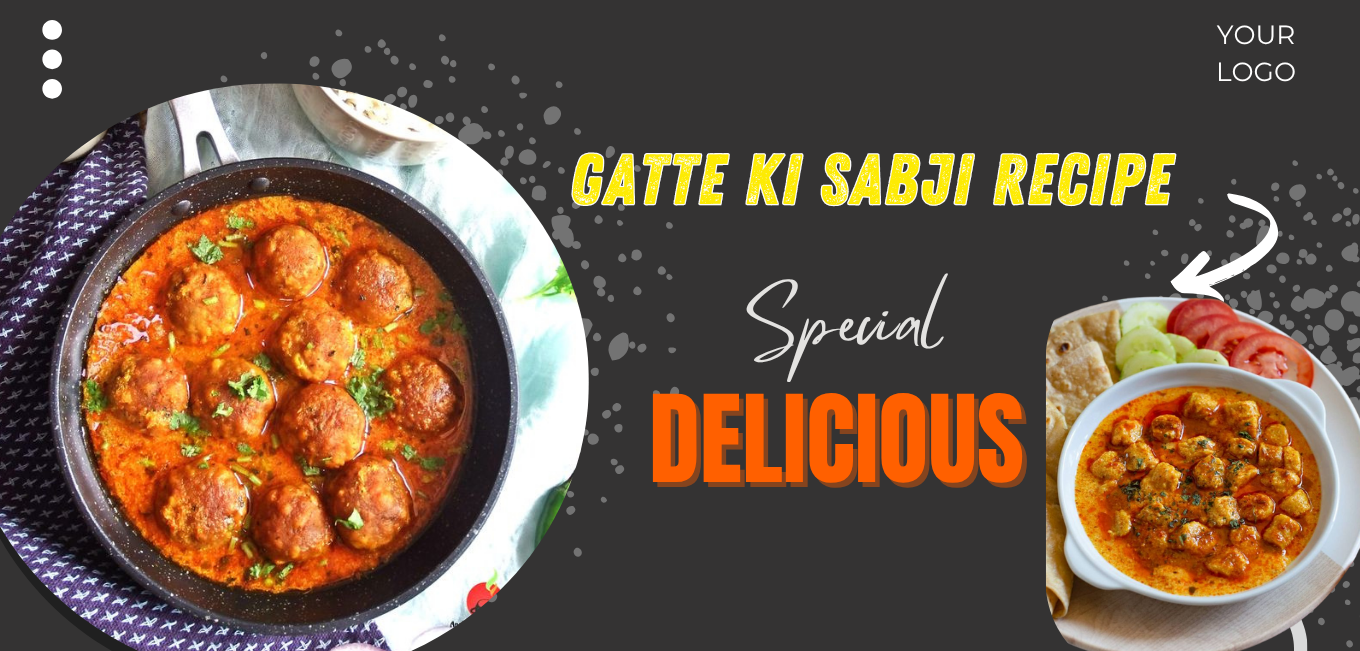
Gatte Ki Sabji Recipe: A Journey Through Rajasthan’s Culinary Heritage
In the heart of India’s golden desert state of Rajasthan lies a culinary treasure that perfectly embodies the region’s resourcefulness and rich flavors. Gatte ki sabzi, a beloved traditional curry made with gram flour dumplings swimming in a tangy yogurt-based gravy, represents more than just a meal—it’s a testament to the ingenuity of Rajasthani cuisine.
The Story Behind the Dish
Rajasthan’s arid landscape and extreme climate conditions have always posed unique challenges for its inhabitants. Fresh vegetables were often scarce, and preservation was crucial for survival. In this harsh environment, the resourceful people of Rajasthan turned to gram flour (besan) as a versatile protein source, creating numerous dishes that have become iconic representations of their culinary heritage.
Gatte ki sabji emerged from this necessity, transforming simple gram flour into succulent dumplings that could satisfy hunger while providing essential nutrients. The dish became so integral to Rajasthani cuisine that it’s now served in homes across the state and has gained popularity throughout India and beyond.
What Makes Gatte Ki Sabji Special
The magic of gatte ki sabji lies in its perfect balance of textures and flavors. The besan dumplings, known as gatte, are soft yet firm, with a slightly chewy texture that absorbs the aromatic gravy beautifully. The yogurt-based sauce provides a creamy, tangy backdrop that’s perfectly spiced with traditional Indian seasonings.
What sets this dish apart is its ability to be both humble and sophisticated. Made with everyday ingredients, it transforms into something extraordinary through careful preparation and the perfect blend of spices. The result is a hearty, satisfying meal that warms the soul and celebrates the essence of home cooking.
Timing
- Preparation Time: 10 minutes
- Cook Time: 30-40 minutes
- Total Time: 40-50 minutes
How to Make Gatte Ki Sabji
Ingredients
For the Gatte (Dumplings)
- 1 cup besan (gram flour)
- ¼ cup yogurt (curd)
- 2-4 tbsp oil
- ½ tsp carom seeds (ajwain)
- ½ tsp red chili powder
- ½ tsp turmeric powder
- ½ tsp coriander powder
- ½ tsp fennel seeds (optional)
- 1 pinch baking soda
- Salt to taste
- Water as needed
For the Gravyb
- ¾ cup whisked yogurt (curd)
- 2 tbsp oil or ghee
- 1 tsp cumin seeds
- 1/8 tsp asafoetida (hing)
- 1 tsp coriander powder
- ½ tsp turmeric powder
- 1 tsp red chili powder
- 1-2 medium onions, finely chopped (optional)
- 1 tsp ginger-garlic paste (optional)
- 1 tsp kasuri methi (dried fenugreek leaves)
- Salt to taste
- 1-2 cups water
- Fresh coriander leaves for garnish
Step-by-Step Instructions
Making the Dough
Start by preparing the dough for the gatte. In a large mixing bowl, combine besan, salt, carom seeds, baking soda, red chili powder, turmeric, coriander powder, fennel seeds, and oil. Add yogurt and mix well. Gradually add water, a little at a time, to form a stiff, smooth dough. The dough should be pliable but not sticky.
Shaping and Boiling the Gatte
Divide the dough into 3-4 equal portions. Roll each portion into a cylindrical log, about half an inch thick. Bring a large pot of water to a boil and gently add the logs. Boil for 10-12 minutes, or until the gatte float to the surface and are cooked through. Remove the logs from the water and let them cool slightly. Reserve the water for the gravy. Once cool, cut the logs into ½-inch pieces.
Preparing the Gravy
Heat oil or ghee in a heavy-bottomed pan. Add cumin seeds and asafoetida. Once they splutter, add onions and ginger-garlic paste (if using) and sauté until golden brown. Add turmeric, red chili, coriander powder, and kasuri methi. Mix well and cook for a minute.
Lower the flame and add whisked yogurt, stirring continuously to avoid curdling. Add the reserved water from boiling the gatte to adjust the consistency of the gravy. Bring the mixture to a gentle boil.
Finishing the Curry
Add the gatte pieces to the simmering gravy. Cook for 5-10 minutes so the gatte absorbs the flavors of the sauce. Taste and adjust salt as needed. Garnish with fresh coriander leaves.
Types of Gatte Ki Sabji
GATTE KI SABJI: GATTE KI SABJI is a versatile and much-loved Rajasthani dish made with gram flour (besan) dumplings cooked in a spiced yogurt-based gravy. Over time, several variations of this dish have evolved, each offering a unique taste and texture while retaining the essence of the traditional recipe. Here are some popular types of gatte ki sabji you might come across:
1. CLASSIC RAJASTHANI GATTE KI SABJI
This is the most traditional version, where besan dumplings are boiled and cut into pieces, then simmered in a tangy, spiced yogurt gravy. The gravy is typically made without onions or garlic, relying on simple spices like cumin, coriander, turmeric, and red chili powder. The dish is mildly tangy and aromatic, making it a staple in Rajasthani households. The dumplings are soft and soak up the flavors beautifully, served best with roti, rice, or bati.
2. GATTE KI SABJI WITH ONION AND GARLIC
In this variation, onions and garlic are added to the gravy to create a richer and more flavorful base. The addition of sautéed onions and garlic enhances the depth of the curry, making it more robust. This version is popular among those who prefer a heartier taste and is often served at special occasions or family meals. The yogurt base remains, but the gravy is more complex and slightly thicker due to the onion paste.
3. JAIN GATTE KI SABJI
The Jain version of gatte ki sabji excludes onions and garlic entirely, adhering to Jain dietary restrictions. The preparation focuses on the same besan dumplings and yogurt gravy but uses only spices and herbs to build flavor. This version is lighter and still packs the authentic taste of Rajasthan without compromising on tradition.
4. GOVIND GATTE KI SABJI
This is a special variation where the gatte (gram flour dumplings) are stuffed with a flavorful mixture of dry fruits, nuts, and aromatic spices before being cooked. The stuffing adds a delightful surprise inside the dumplings and elevates the dish to a festive or celebratory level. The gravy remains similar to the classic yogurt-based one, balancing the richness of the stuffed gatte.
5. KAMAL GATTE KI SABJI
Kamal gatte ki sabji is a less common but unique variation where lotus stem (kamal kakdi) or other special ingredients are incorporated into the gatte or the gravy. This adds a distinct texture and flavor, making it an interesting twist on the traditional recipe. It is often prepared during festivals or special occasions for a unique culinary experience.
6. FRIED GATTE KI SABJI
In some recipes, after boiling, the gatte pieces are shallow-fried until golden brown before being added to the gravy. This adds a crispy texture to the dumplings and a slightly nutty flavor, giving the dish a different mouthfeel. The fried gatte absorb the gravy but retain a slight firmness on the outside, which many find appealing.
7. GATTE KI KADHI (WITHOUT ONION AND GARLIC)
This variation is closer to a kadhi, where the gravy is a simple yogurt and besan-based sauce without onions or garlic. The gatte are cooked in this thin, tangy gravy, resulting in a lighter, soupier dish. It’s comforting and often served with steamed rice.
Summary Table of Gatte Ki Sabji Types
| Type | Key Features | Typical Ingredients | Flavor Profile |
|---|---|---|---|
| Classic Rajasthani | Yogurt-based gravy, no onion/garlic | Besan gatte, yogurt, cumin, coriander, turmeric | Tangy, mildly spiced, aromatic |
| Onion & Garlic Version | Richer gravy with sautéed onions and garlic | Adds onion, garlic, ginger | Robust, hearty |
| Jain Version | No onion/garlic, simple spices | Besan, yogurt, cumin, ajwain | Light, pure, traditional |
| Govind Gatte Ki Sabji | Stuffed gatte with nuts and dry fruits | Besan dumplings stuffed with dry fruits | Rich, festive, flavorful |
| Kamal Gatte Ki Sabji | Lotus stem or special ingredients | Lotus stem, besan, yogurt | Unique texture, aromatic |
| Fried Gatte Ki Sabji | Fried dumplings for crispy texture | Fried besan gatte, yogurt gravy | Crispy outside, soft inside |
| Gatte Ki Kadhi | Thin yogurt-based gravy, no onion/garlic | Yogurt, besan, spices | Light, tangy, soup-like |
How to Make Gatte Ki Sabji (Rajasthani Style)
GATTE KI SABJI is a classic Rajasthani dish featuring gram flour (besan) dumplings cooked in a tangy and spiced yogurt gravy. This recipe is loved for its comforting flavors and simple ingredients, making it a perfect dish for any occasion.
Ingredients for Gatte (Besan Dumplings):
-
1 cup besan (gram flour)
-
1/4 tsp asafoetida (hing)
-
1/2 tsp turmeric powder
-
1 tsp red chili powder
-
Salt to taste
-
1/2 tsp cumin seeds
-
1 tsp ginger-garlic paste (optional)
-
2 tbsp yogurt (curd)
-
2 tbsp oil
-
1/4 tsp baking soda (optional)
-
Water as needed to knead dough
Ingredients for the Gravy:
-
1 cup whisked yogurt (curd)
-
2 tbsp oil or ghee
-
1 tsp cumin seeds
-
A pinch of asafoetida (hing)
-
1/2 tsp turmeric powder
-
1 tsp red chili powder
-
1 tbsp coriander powder
-
Salt to taste
-
1-2 cups water (including water used to boil gatte)
-
2-3 finely chopped green chilies
-
2 tbsp chopped fresh coriander leaves
Step 1: Prepare the Gatte Dough
-
In a large mixing bowl, combine besan, asafoetida, turmeric powder, red chili powder, salt, cumin seeds, ginger-garlic paste (if using), yogurt, oil, and baking soda.
-
Mix all ingredients thoroughly.
-
Gradually add water, about 1-2 tablespoons at a time, and knead into a stiff, smooth dough. The dough should be firm enough to roll into logs without breaking.
Step 2: Shape and Boil the Gatte
-
Divide the dough into 4-6 equal portions.
-
Roll each portion into a thin cylindrical log about 10 inches long.
-
Bring a large pot of water to a boil.
-
Carefully add the dough logs to the boiling water. Cover and cook on medium heat for 10-15 minutes or until the logs float to the surface, indicating they are cooked through.
-
Remove the logs from the water and let them cool slightly. Reserve the water used for boiling as it will be added to the gravy.
-
Once cooled, cut the logs into 10-12 small pieces (gatte).
Step 3: Prepare the Gravy
-
Heat oil or ghee in a pan over medium heat.
-
Add cumin seeds and a pinch of asafoetida. Let them splutter.
-
Lower the heat and slowly add the whisked yogurt, stirring continuously to prevent curdling.
-
Add turmeric powder, red chili powder, coriander powder, and salt. Mix well.
-
Pour in the reserved water from boiling the gatte and additional water as needed to adjust the gravy consistency. Bring the mixture to a gentle boil while stirring continuously.
-
Add finely chopped green chilies for a mild heat boost and stir.
Step 4: Add Gatte to the Gravy
-
Add the cut gatte pieces into the simmering gravy.
-
Cook for 5-10 minutes on low heat, allowing the gatte to absorb the flavorful gravy.
-
Stir gently to avoid breaking the gatte pieces.
Step 5: Garnish and Serve
-
Turn off the heat and garnish with freshly chopped coriander leaves.
-
Serve hot with roti, paratha, bajra roti, or steamed rice for a wholesome meal.
Tips for Perfect Gatte Ki Sabji
-
Knead the dough well to ensure soft, non-crumbling gatte.
-
Add yogurt slowly and stir continuously to avoid curdling the gravy.
-
Use ghee instead of oil for a richer, authentic flavor.
-
The reserved water from boiling gatte adds extra flavor to the gravy, so don’t discard it.
-
Adjust the spice levels according to your preference by varying red chili powder and green chilies]
Gatte Ki Sabji Recipe in Hindi
अगर आप गट्टे की सब्जी रेसिपी हिंदी में ढूंढ रहे हैं, तो यह विधि आपके लिए है:
सामग्री:
-
1 कप बेसन
-
1/4 कप दही
-
2-4 टेबलस्पून तेल
-
1/2 टीस्पून अजवाइन
-
1/2 टीस्पून लाल मिर्च पाउडर
-
1/2 टीस्पून हल्दी
-
1/2 टीस्पून धनिया पाउडर
-
1 चुटकी बेकिंग सोडा
-
स्वादानुसार नमक
-
आवश्यकतानुसार पानी
विधि:
-
बेसन, नमक, अजवाइन, बेकिंग सोडा, लाल मिर्च, हल्दी, धनिया पाउडर, और तेल मिलाकर सख्त आटा गूंथ लें।
-
आटे की रोल बनाकर उबलते पानी में डालें और 10-12 मिनट पकाएं।
-
ठंडा करके टुकड़ों में काट लें।
-
कढ़ाई में तेल गरम करें, जीरा, हींग डालें, फिर दही, मसाले और पानी मिलाएं।
-
गट्टे डालकर 5-10 मिनट पकाएं।
-
हरा धनिया डालकर गरमागरम परोसें
Recipe Variations
Gatte ki sabji comes in several delightful variations, each with its own unique twist. The classic Rajasthani version uses no onion or garlic, relying on a simple yogurt-based gravy with traditional spices. For those following a Jain diet, simply omit the onion and garlic completely. The onion-garlic version includes both ingredients for a richer, more robust flavor.
Govind gatte ki sabji features gatte stuffed with a mixture of dry fruits and aromatic spices, making it perfect for special occasions. Kamal gatte ki sabji incorporates lotus stem or uses special variations in the gatte preparation for a unique texture and taste.
Cultural Significance and Modern Adaptations
In Rajasthani households, gatte ki sabji represents more than just sustenance—it’s a connection to cultural heritage and family traditions. The recipe is often passed down through generations, with each family adding their own special touches and variations.
Modern adaptations have made this traditional dish more accessible to contemporary cooks while maintaining its authentic character. Some cooks experiment with different spice blends or cooking techniques, but the core elements remain unchanged, preserving the dish’s essential identity.
Nutritional Benefits and Dietary Considerations
Beyond its delicious taste, gatte ki sabji offers numerous nutritional benefits. Gram flour is an excellent source of plant-based protein, making this dish particularly valuable for vegetarians. Each serving provides approximately 7-9 grams of protein along with essential vitamins and minerals.
The dish is naturally vegetarian and can be easily adapted for various dietary needs. For vegan preparation, simply substitute dairy yogurt with plant-based alternatives and use oil instead of ghee. Those following gluten-free diets can enjoy this dish by ensuring their asafoetida is gluten-free, as gram flour is naturally gluten-free.
The yogurt in the gravy provides probiotics that support digestive health, while the spices offer various health benefits. Turmeric provides anti-inflammatory properties, cumin aids digestion, and carom seeds are known for their digestive benefits—all contributing to a meal that’s both delicious and nutritious.
Dietary Considerations
This recipe is naturally vegetarian. To make it vegan, substitute the yogurt with plant-based yogurt and use oil instead of ghee. For a gluten-free version, ensure your asafoetida (hing) is gluten-free. The recipe is also Jain-friendly when you omit onion and garlic.
Mastering the Technique
Creating perfect gatte ki sabji requires attention to several key techniques. The dough must be kneaded well to ensure the gatte hold together during boiling without becoming tough. The boiling process should be gentle to prevent the dumplings from breaking apart.
When preparing the gravy, temperature control is crucial. The yogurt must be added on low heat with constant stirring to prevent curdling. If the gravy does curdle, it can often be rescued by adding a little cold water and whisking vigorously.
The final cooking stage, where the gatte are simmered in the gravy, allows the flavors to meld and the dumplings to absorb the aromatic sauce. This process should be gentle and brief—just long enough for the flavors to combine without overcooking the gatte.
Serving Suggestions
Gatte ki sabji is traditionally served hot, accompanied by fresh rotis, rice, or the famous Rajasthani dal bati. The dish pairs beautifully with simple steamed rice or aromatic jeera rice, allowing the flavors of the curry to shine through.
For a complete Rajasthani meal experience, serve alongside other regional specialties like dal, vegetable preparations, and traditional accompaniments such as pickles and papad. The dish is often garnished with fresh coriander leaves and can be finished with a squeeze of lemon for added brightness.
Storage and Reheating
Store leftover gatte ki sabji in an airtight container in the refrigerator for up to 2 days. When reheating, do so gently and add a splash of water if needed to adjust the consistency.
Conclusion
Gatte ki sabji beautifully showcases how necessity inspires culinary creativity. This beloved Rajasthani dish transforms humble ingredients into a flavorful celebration of tradition and comfort. Whether you’re new to Indian cuisine or reconnecting with heritage flavors, this recipe offers an authentic taste of Rajasthan’s rich culinary legacy.
Frequently Asked Questions
Q: Can I make gatte ki sabji without yogurt?
A: While yogurt is traditional and provides the signature tangy flavor, you can substitute it with tomato puree or coconut milk for a different taste profile.
Q: What’s the difference between regular and Govind gatte ki sabji?
A: Regular gatte uses plain besan dumplings, while govind gatte features dumplings stuffed with dry fruits and spices, making it richer and perfect for special occasions.
Q: How do I prevent the yogurt from curdling?
A: Always add whisked yogurt on low heat while stirring continuously. If it curdles, add cold water and whisk vigorously to restore smoothness.
Q: Can this dish be made vegan?
A: Yes! Simply use plant-based yogurt and oil instead of ghee to make it completely vegan.
Q: How spicy is gatte ki sabji?
A: The spice level is moderate but easily adjustable. Reduce red chili powder for milder flavors or increase for more heat.
Don’t miss out on more delicious finds—check out our Olive Garden Menu blog for the best Italian deals, only on Flavorful Menu
Love creative fun? Visit our exclusive Minion Coloring Pages on AColorArt for unique, joy-filled coloring adventures you won’t find anywhere else
