

Introduction
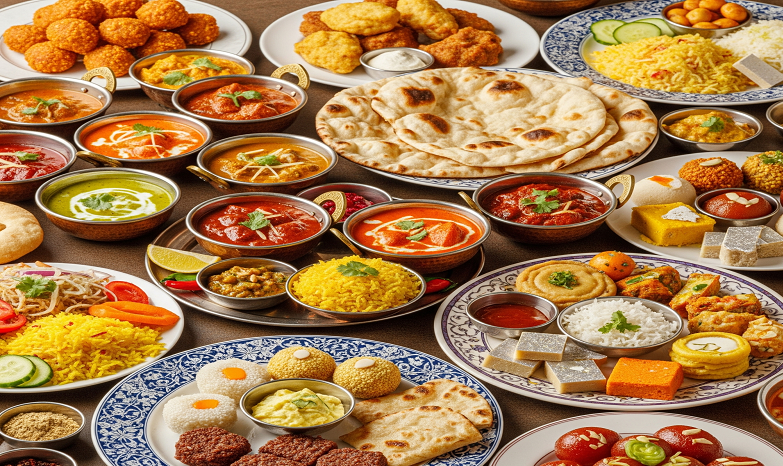
Indian food is a vibrant celebration of flavors, textures, and aromas that reflect the country’s rich cultural diversity. From the steaming bowls of spicy curries to the delicate sweetness of desserts soaked in syrup, Indian cuisine is an embodiment of the country’s history, geography, and traditions. Every region, state, and community offers a unique culinary experience, rooted in centuries-old techniques and the use of fresh, seasonal ingredients.
In this article, we will explore the key components of Indian food, regional variations, cooking techniques, popular dishes, the health benefits of Indian ingredients, and the cultural and global significance of Indian cuisine, with special mentions of South Indian food, vegan Indian food, healthy Indian food, and more.
Key Components of Indian Food
Indian food is a melting pot of diverse ingredients, spices, and herbs that define the character of every dish. At the core of Indian cooking are spices, grains, legumes, vegetables, dairy, and oils that create an intricate balance of flavors and textures.
Informative Paragraph:
Indian cuisine is known for its bold, complex flavors, achieved through the use of spices such as cumin, coriander, turmeric, mustard seeds, and garam masala. These spices are not only essential for flavor but are also known for their medicinal and health benefits. Grains like rice, wheat, and millets are staple foods in India, forming the base of many meals. Legumes like lentils and chickpeas are important sources of protein and fiber, especially for the vegetarian population.
Vegetables such as eggplant, spinach, cauliflower, and potatoes are commonly used in everyday cooking. Dairy products like yogurt, ghee (clarified butter), and paneer (Indian cottage cheese) are also key to Indian cuisine, adding richness and texture to dishes. Oils like mustard oil and ghee are commonly used for frying and sautéing, creating aromatic and flavorful dishes.
In recent years, vegan Indian food has gained immense popularity, with a growing number of plant-based dishes becoming central to India’s food culture. These dishes focus on fresh vegetables, legumes, and grains, avoiding dairy and animal-based products.
Table: Key Components of Indian Food
| Component | Examples | Purpose |
|---|---|---|
| Spices | Cumin, coriander, turmeric, cardamom, garam masala | Add flavor, color, and aroma; offer medicinal benefits |
| Grains | Rice, wheat (roti, naan) | Provide carbohydrates and form the basis of the meal |
| Legumes | Lentils, chickpeas, beans (dal) | Provide protein and fiber |
| Dairy | Yogurt, paneer, ghee | Add richness, flavor, and texture to dishes |
| Vegetables | Spinach, cauliflower, eggplant, potatoes | Contribute nutrients and variety in meals |
Regional Variations in Indian Cuisine
Indian cuisine is as diverse as the country itself. Each region has its unique culinary traditions, shaped by its geography, climate, history, and cultural practices. From the robust, meat-heavy dishes of the North to the rice-based, vegetarian cuisine of the South, regional Indian food is a reflection of the local lifestyle.
Informative Paragraph:
India’s regional cuisine can be broadly categorized into North India, South India, East India, and West India. North Indian food is characterized by its use of rich, creamy gravies, tandoori cooking, and the extensive use of dairy products like yogurt and ghee. Popular ingredients include wheat-based breads (naan, paratha) and meats like chicken, lamb, and goat. South Indian food, on the other hand, is rice-based and known for its use of coconut, curry leaves, and tamarind, which impart distinct flavors.
Dishes like dosa Indian food, idli, sambar, and appam are iconic in the South. West Indian food is a mix of vegetarian dishes, seafood, and sweet-sour flavors, with regional variations such as Goan and Gujarati food. East Indian food is especially famous for its seafood dishes, particularly in Bengal, and its sweet desserts like rasgulla and sandesh.
Table: Regional Variations in Indian Cuisine
| Region | Characteristics | Famous Dishes |
|---|---|---|
| North India | Rich gravies, tandoori cooking, dairy-based dishes | Butter chicken, naan, rogan josh, biryani |
| South India | Rice-based dishes, coconut and tamarind flavors | Dosa, idli, sambar, appam, fish curry |
| East India | Seafood, rice, and Bengali sweets | Machher jhol, rasgulla, sandesh, prawn curry |
| West India | Seafood, vegetarian curries, sweet-sour flavors | Goan fish curry, dhokla, pav bhaji, vada pav |
Indian Cooking Techniques
Indian cooking involves a rich variety of techniques that elevate the flavors and textures of ingredients. The techniques used in Indian cuisine have been passed down for generations and are integral to creating the complex flavors that define Indian food.
Informative Paragraph:
Indian cuisine employs a range of cooking methods, each designed to bring out the best in the ingredients. Tempering (tadka) is one of the most important techniques, where spices like cumin, mustard seeds, and dried chilies are fried in hot oil or ghee to release their essential oils and flavors. Slow cooking is commonly used for dishes like biryani and lamb curry, allowing the spices to meld and infuse into the meat or vegetables. Tandoori cooking, where food is cooked in a clay oven, imparts a smoky flavor to meats, breads, and vegetables. Other methods include frying (samosas, pakoras), steaming (idlis, dhoklas), and roasting (spiced nuts, meat kebabs).
In modern kitchens, there’s a growing trend toward cooking healthy Indian food, using less oil, ghee, and dairy, while emphasizing fresh vegetables, legumes, and spices that have antioxidant properties.
Table: Common Indian Cooking Techniques
| Technique | Description | Examples |
|---|---|---|
| Tempering (Tadka) | Frying spices in hot oil to release their aroma and flavor | Dal, curries, vegetable dishes |
| Slow Cooking | Cooking dishes for an extended period at low heat to allow flavors to develop | Biryani, Lamb curry, dal makhani |
| Tandoori Cooking | Cooking food in a clay oven at high heat for a smoky flavor | Tandoori chicken, naan, kebabs |
| Steaming | Cooking food using steam to preserve nutrients and texture | Idli, dhokla, momos |
| Frying | Cooking food in hot oil to achieve a crispy texture | Samosa, pakora, vada, bhature |
Popular Indian Dishes
Indian food is as diverse as its culture, offering everything from quick street food snacks to elaborate festive dishes. The unique combination of spices, textures, and preparation methods makes Indian dishes an unforgettable experience for the taste buds.
Informative Paragraph:
Indian cuisine includes an assortment of popular dishes that showcase the use of spices, grains, and local ingredients. Curries, whether vegetarian or meat-based, are the stars of Indian meals, with butter chicken, dal makhani, and kadhai chicken being some of the most popular choices.
Rice dishes like biryani and pilaf are often the centerpiece of a meal. Indian food is also known for its snacks and street food, such as samosas, pakoras, and pani puri, which are enjoyed by people of all ages. Indian sweets, like gulab jamun, jalebi, and rasgulla, add a sweet ending to meals and are often made during festivals and celebrations. Among South Indian food, the iconic dosa and idli are enjoyed worldwide as healthy, filling meals.
For those in search of convenient, pre-made options, Trader Joe’s Indian food offers a range of ready-to-eat curries, samosas, and naan, bringing the taste of traditional Indian food to busy households.
Table: Popular Indian Dishes
| Dish | Region | Description |
|---|---|---|
| Butter Chicken | North India | A creamy, rich tomato-based chicken curry |
| Dosa | South India | A thin, crispy pancake made from fermented rice and lentil batter |
| Biryani | All India (with regional variations) | Spiced rice cooked with meat or vegetables, often served with yogurt and raita |
| Samosa | All India | Fried pastry filled with spiced potatoes and peas |
| Rogan Josh | Kashmir (North) | A rich, spicy lamb curry with yogurt and aromatic spices |
| Gulab Jamun | All India | Deep-fried dough balls soaked in rose-flavored syrup |
Health Benefits and Nutrition
Indian food is not only flavorful but also packed with essential nutrients. Many of the spices and ingredients used in Indian cooking are renowned for their health benefits, from boosting metabolism to promoting digestion.
Informative Paragraph:
The health benefits of Indian food lie in its use of spices, legumes, and vegetables. Turmeric, a key ingredient in many Indian dishes, is known for its anti-inflammatory and antioxidant properties. Ginger is used for its digestive and anti-nausea qualities. Legumes like lentils, chickpeas, and kidney beans are excellent sources of plant-based protein, fiber, and iron, making them essential in vegetarian diets. Yogurt is often used in curries and as a side dish, promoting gut health due to its probiotic content. Coconut and curry leaves, commonly used in South Indian cooking, are rich in antioxidants and vitamins. Indian food’s emphasis on fresh, seasonal produce further enhances its nutritional value.
When prepared mindfully, Indian dishes can also be healthy Indian food, using low-fat ingredients, minimal oil, and plenty of vegetables to make them both nutritious and flavorful.
Table: Health Benefits of Indian Ingredients
| Ingredient | Health Benefits | Common Uses |
|---|---|---|
| Turmeric | Anti-inflammatory, antioxidant, aids digestion | Curries, rice dishes, teas |
| Ginger | Aids digestion, anti-inflammatory, boosts immunity | In curries, teas, marinades, snacks |
| Lentils | High in protein and fiber, heart-healthy | Dal, soups, salads |
| Yogurt | Probiotics, supports gut health, rich in calcium | Raita, desserts, curries |
| Coriander | Improves digestion, detoxifies, rich in vitamins | Curries, salads, chutneys |
Cultural Significance and Food in India
Food in India is not just about filling the stomach; it is deeply intertwined with cultural and religious beliefs. Meals are often communal, with food serving as a means of social bonding and sharing.
Informative Paragraph:
In India, food is a vital part of religious ceremonies, festivals, and everyday life. It is considered sacred in many contexts, with the preparation and sharing of meals seen as an act of love and hospitality. Diwali, the festival of lights, sees families indulging in sweets like laddoos, barfis, and jalebis. Onam, a harvest festival celebrated in Kerala, is known for its elaborate Sadhya meal, served on a banana leaf. In many Indian households, meals are served in a traditional manner, with rice, dal, vegetables, and pickles, highlighting the importance of balance and nutrition.
Table: Cultural Significance of Food in India
| Festival | Significance | Traditional Foods |
|---|---|---|
| Diwali | Festival of Lights, symbolizes the victory of light over darkness | Laddoos, barfis, samosas |
| Holi | Festival of Colors, celebrating the arrival of spring | Gujiya, thandai, chaat |
| Onam | Celebrates harvest and the homecoming of the king Mahabali | Sadhya (vegetarian meal served on banana leaf) |
| Eid | Celebrates the end of Ramadan, a day of feasting | Biryani, sheer khurma, kebabs |
Global Influence of Indian Cuisine
Indian cuisine has traveled far beyond its place of origin, leaving an indelible mark on global food culture. Whether through Indian restaurants in major cities or the growing popularity of Indian spices, Indian food has become an integral part of the global culinary landscape.
Informative Paragraph:
The influence of Indian cuisine can be seen across the globe. The introduction of Indian-Chinese fusion dishes, the widespread use of Indian spices like curry powder and garam masala in Western kitchens, and the international popularity of butter chicken and naan are just a few examples of India’s culinary reach. Indian vegetarian food, rich in flavor and nutrition, has become particularly popular in countries like the United States, the United Kingdom, and Australia, with many restaurants offering meat-free dishes to cater to plant-based diets. Cities like NYC have a rich Indian food culture, with many restaurants offering the best Indian food ranging from classic Indian curries to regional specialties.
Table: Global Influence of Indian Cuisine
| Country | Indian Influence | Popular Dishes |
|---|---|---|
| United Kingdom | Indian food is a staple, with curry being the national dish | Chicken tikka masala, biryani, samosas |
| United States | Indian flavors have become mainstream in many restaurants and food trucks | Butter chicken, naan, chai tea |
| Canada | Indian cuisine is widely enjoyed, especially in multicultural cities like Toronto | Butter chicken, naan, Indian sweets |
| Australia | Indian spices and flavors are commonly used in fusion dishes | Chicken curry, chai, vegetarian curries |
Conclusion
Indian food is a vibrant tapestry of flavors, traditions, and cultural significance. Its diversity, shaped by centuries of history and a rich exchange of regional influences, continues to captivate the palates of people around the world. Whether it’s the bold spices of the North, the rice-based delicacies of the South, or the vegetarian dishes of the West, Indian cuisine offers something for everyone. Its global appeal is a testament to the enduring love people have for the rich, aromatic, and flavorful dishes that originate from this culturally rich subcontinent.
FAQ
Q1: Is Indian food spicy?
A1: Indian food is often spiced, but not all Indian dishes are extremely hot. The level of spice varies depending on the region and the dish. There are many dishes that are mild and rich in flavor without being too spicy.
Q2: Can Indian food be vegetarian?
A2: Yes! India has a long tradition of vegetarian cuisine. In fact, many vegan Indian food dishes are plant-based and are deliciously hearty and flavorful, such as dal, sabzi, and dosa.
Q3: What makes Indian curries different from other curries?
A3: Indian curries are made with a variety of spices and herbs, each tailored to the region. The use of spices like cumin, coriander, and garam masala, along with the cooking techniques like tempering, make Indian curries rich and complex in flavor.
Q4: What are some popular Indian sweets?
A4: Popular Indian sweets include gulab jamun, jalebi, kheer, rasgulla, and ladoos. These sweets are often served during festivals and special occasions.
Craving more veggie inspiration? Don’t miss our popular post on The Best Zucchini Recipesover at Flavor fulMenu
