

In today’s fast-moving manufacturing landscape, speed, accuracy, and flexibility are more important than ever. Rapid plastic injection moulding service has emerged as a key solution for businesses that need high-quality plastic parts quickly, whether for prototyping, low-volume production, or product testing.
From automotive components and consumer electronics to medical devices and industrial machinery, rapid injection moulding provides efficient, reliable, and scalable production, helping companies accelerate product development and reduce time-to-market.
This article explores the benefits, processes, materials, applications, and critical considerations of rapid injection moulding services, making it easier to understand why it’s a preferred choice for modern manufacturers.
What Is Rapid Injection Moulding?
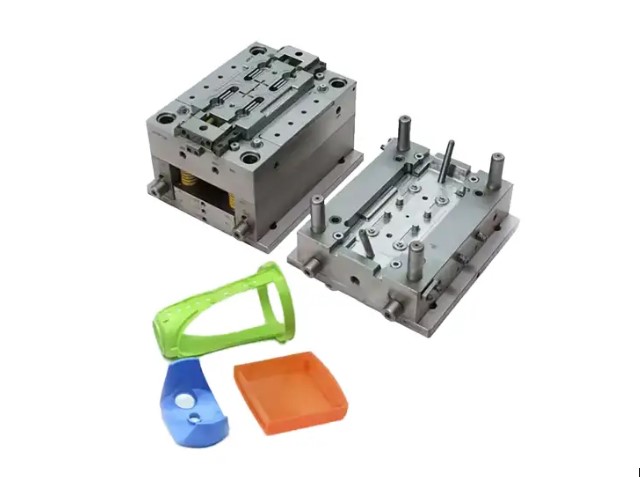
Rapid injection moulding is a streamlined version of conventional injection moulding, designed for speed and flexibility. Instead of using traditional steel molds that take weeks to manufacture, rapid injection moulding relies on aluminum molds or 3D-printed tooling, which can be prepared in days.
This approach is ideal for:
- Prototype development
- Small to medium production runs
- Functional testing of parts
- Design validation before mass production
Rapid injection moulding allows businesses to iterate quickly, reduce costs, and bring products to market faster without compromising on precision or quality.
Advantages of Rapid Injection Moulding Services
1. Accelerated Time-to-Market
With rapid injection moulding, molds can be produced and parts manufactured in days instead of weeks, enabling companies to test, refine, and launch products faster than traditional methods.
2. Cost-Effective Prototyping
Aluminum or 3D-printed molds are much less expensive than hardened steel molds, making rapid injection moulding an affordable option for functional prototypes and low-volume production.
3. High Precision and Consistency
Despite shorter lead times, rapid injection moulding delivers tight tolerances, consistent part dimensions, and quality finishes, ensuring prototypes and short-run production parts meet the same standards as full-scale manufacturing.
4. Flexible Design Iteration
Because molds are easier and cheaper to modify, engineers can quickly adjust designs, test new features, and optimize parts without incurring high costs.
5. Low-to-Medium Volume Production
Rapid injection moulding is perfect for limited production batches, pilot runs, and initial market testing before investing in high-volume steel molds.
Materials Commonly Used in Rapid Injection Moulding
Material selection depends on the functional requirements, durability, and appearance of the part. Commonly used plastics include:
- Polypropylene (PP): Lightweight, flexible, and chemical-resistant.
- Acrylonitrile Butadiene Styrene (ABS): Strong, rigid, and impact-resistant for consumer products.
- Polycarbonate (PC): Transparent and durable, suitable for housings and protective parts.
- Polyethylene (PE): Flexible and cost-effective for simple applications.
- Polymethyl Methacrylate (PMMA): Clear and glossy, perfect for displays and aesthetic parts.
- Engineering plastics: Nylon (PA), Polyphenylene Sulfide (PPS), and others for high-performance prototypes.
Using the right material ensures functional and aesthetic similarity to final production parts.
The Rapid Injection Moulding Process
The process closely resembles traditional injection moulding but is optimized for speed and efficiency:
1. Design & CAD Modeling
Engineers create a 3D CAD model, specifying dimensions, features, and tolerances. Design optimization ensures manufacturability and functional performance.
2. Tooling Preparation
Aluminum molds or 3D-printed molds are fabricated quickly, ready for short-run production. These molds are durable enough for prototyping and low-volume batches.
3. Material Injection
Plastic pellets are melted and injected into the mold under high pressure, filling every cavity for uniform and precise parts.
4. Cooling & Ejection
The molten plastic cools and solidifies, and finished parts are ejected. Rapid cooling cycles enable faster production of multiple parts per day.
5. Post-Processing & Inspection
Parts may undergo trimming, polishing, or assembly. Quality checks ensure tolerances, functionality, and surface finish meet project requirements.
Applications of Rapid Injection Moulding
Rapid injection moulding is widely used in industries that require fast prototyping and low-volume production:
1. Product Development & Prototyping
- Functional prototypes for testing and validation
- Concept models for design review
- Fit, form, and functionality testing
2. Consumer Electronics
- Device enclosures, housings, and button panels
- Pilot runs before mass production
3. Automotive Industry
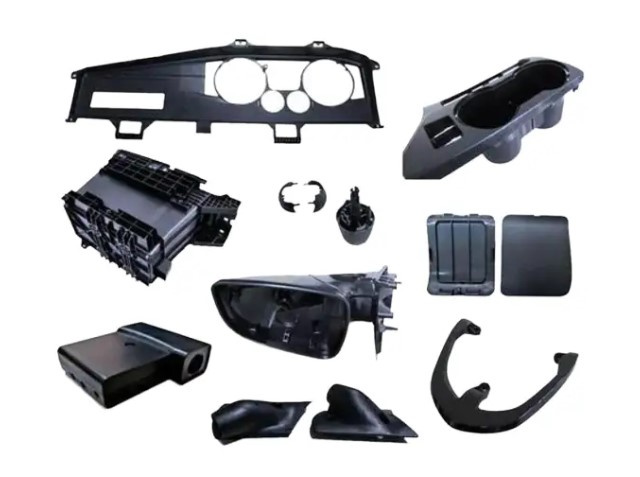
- Interior trims, clips, connectors, and functional prototypes
- Testing ergonomics and durability before high-volume molding
4. Medical Devices
- Surgical tool prototypes and device housings
- Pre-production parts for regulatory approval
5. Industrial Machinery
- Low-volume functional parts for equipment
- Specialized components for testing and initial production
Choosing the Right Rapid Injection Moulding Service
Selecting the right provider ensures quality, reliability, and efficiency. Consider these factors:
- Tooling Capabilities: Aluminum and 3D-printed molds with precise machining.
- Material Expertise: Experience with the plastics required for your application.
- Design Support: Ability to optimize part design for injection molding.
- Quality Assurance: Inspection, testing, and validation protocols.
- Lead Time: Fast turnaround to meet development and production deadlines.
- Cost-Effectiveness: Affordable molds and per-part pricing for low-volume runs.
A reliable provider also offers technical guidance, design iteration support, and scalable production as your project grows.
Advantages of Partnering with a Professional Rapid Injection Molding Service
- Quick Prototyping: Reduce development cycles and validate designs early.
- Cost Savings: Avoid expensive steel molds during early stages.
- High-Quality Parts: Functional prototypes and pilot production parts ready for testing.
- Design Flexibility: Easily modify molds to improve performance or aesthetics.
- Scalability: Transition from prototyping to medium-volume production seamlessly.
By working with an experienced service provider, businesses can accelerate product development, reduce risk, and maintain high-quality standards.
Trends in Rapid Injection Molding
- Hybrid Tooling: Combining 3D-printed molds with aluminum inserts for durability and efficiency.
- Sustainable Materials: Increasing use of recycled and eco-friendly plastics.
- Automation & Smart Factories: Robotics and IoT monitoring improve efficiency and consistency.
- Overmolding: Combining plastics and elastomers for multi-material prototypes.
- Micro-Molding: Producing miniature, high-precision components for electronics and medical applications.
These trends reflect the growing importance of speed, flexibility, and sustainability in modern manufacturing.
Conclusion
Rapid injection molding service is a fast, flexible, and cost-effective solution for producing high-quality plastic parts in prototyping and low-volume production. It allows businesses to:
- Test and validate designs quickly
- Reduce upfront tooling costs
- Launch products faster
- Produce consistent, functional parts
For industries like consumer electronics, automotive, medical devices, industrial machinery, and product development, rapid injection molding accelerates time-to-market, minimizes risk, and ensures superior quality.
Partnering with a professional rapid injection molding provider enables companies to turn concepts into production-ready parts efficiently, providing a strategic advantage in today’s competitive market.
