

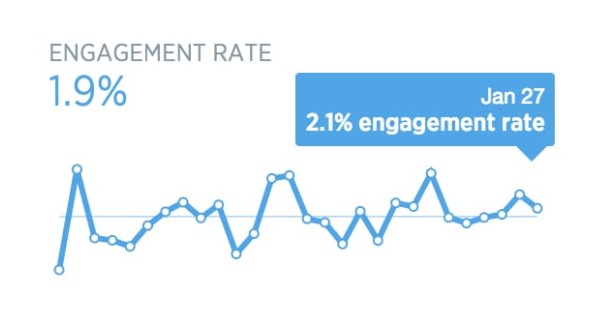
Engagement Rate is one such term in its full meaning, which would figure among the most critical measurements of influencer marketing success. Actually, this will also be an important consideration when it comes to figuring out how well the influencer can connect with the audience by brands and marketers. What, then, would be a good influencer engagement rate-and how could it lead to faster results for content creators for more rapid increases in engagement?
What Is Engagement Rate?
The measure of engagement rate defines the percentage of an audience belonging to an influencer that actually engages with the influencer’s content or brand. Engagement to such communication would comprise an array of likes, comments, shares, saves, or even direct message sendings. The standard formula for it reads:
Engagement rate = (Total engagements) /(Total followers) x 100.
This essentially gives brands insight into how far the influencer is able to give or create, possibly even active and loyal, but not simply dependent on the sheer numbers, audience access.
What Is a “Good” Engagement Rate?
An effective engagement rate has its main role as an indicator of audience quality with regard to content. Generally, 1%-5% is considered a good engagement rate on most social media platforms. On smaller accounts, this rate is higher because the relationships between the audience and account holders are a bit closer. In contrast, larger accounts may have lower rates but still achieve significant reach.
The definition of a good rate can also vary by industry and platform. For example, the standards of what is considered good on Instagram might be visualized in a different light for LinkedIn or TikTok. Thus, benchmarking oneself against the competition and tracking their growth also becomes very important. Regular engagement reflects well on content and followers.
Why Engagement Rate Matters More Than Follower Count
Lots of content creators are finding that large numbers of followers do not necessarily lead to more favorable brand deals or greater influence. Brands are also demanding quicker outcomes from content creators who can spark the actual audience engagement, which again can be more effectively measured in engagement rate than the number of followers alone. A smaller producer who has a dedicated active audience will be able to make more conversions compared to a famous person who has a passive one.
How to Improve Engagement Rate
As an influencer or content creator, you might be interested in increasing your engagement rate and achieving quicker results. Here are some practical tips:
Know Your Audience
Know what your readers want to see. Monitor posts of what type do well using analytics tools.
Post Consistently
Unity creates confidence, and your audience will follow you. The schedule you set should be realistic.
Use Strong Calls to Action (CTAs)
Get your audience to comment/share or save your work. Polls, questions, and challenges are excellent to get the conversation going.
Engage Back
Replies, direct messages, and mentions. Creating a community around your content increases longevity and engagement.
Why Brands Look at Engagement Rate
To marketers, the engagement rate is the door into the extent of influence a creator has. A high engagement rate implies that the creator will be able to propagate conversations, influence opinions, and impact buying choices, making them more useful in influencer campaigns. In competitive niches, content creators with demonstrably high engagement tend to be given preference by a brand over other creators with fewer completions, but merely impressions.
Final Thoughts
Engagement rate will remain an important performance metric in the success of the influencer in 2025 and even later. The followers are really nothing without real engagement, and thus, what is most important for the brands. In this way, all those content creators who wish to attain quite a substantial influence on the Internet should try to create really powerful, engaging groups in their cause. Cold numbers: engagement rates have to be seen as a real connection and not just a number on the site, whether wet behind the ears or optimizing a content strategy.
